
A Fable of the Tube Fly
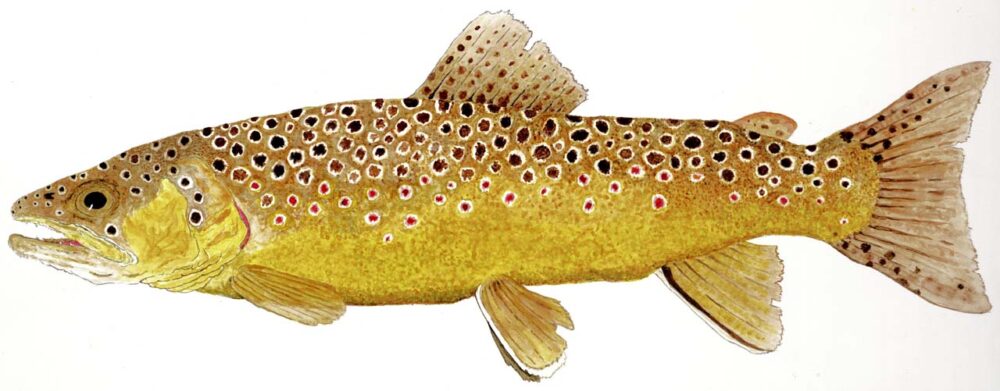
Illustration of Salmo trutta by award-winning watercolorist Thom Glace. Used with permission. According to Glace, the natural range of the brown trout (Salmo trutta) spans Europe, Western Asia, and Northern Africa, extending from Iceland in the west to Afghanistan and Pakistan in the east, and from northern Norway in the Arctic down to the Atlas Mountains in North Africa. In those ranges, their habitats over eons have influenced their size and coloration through diet. Some are up to 40-pounds with colorations varying widely.
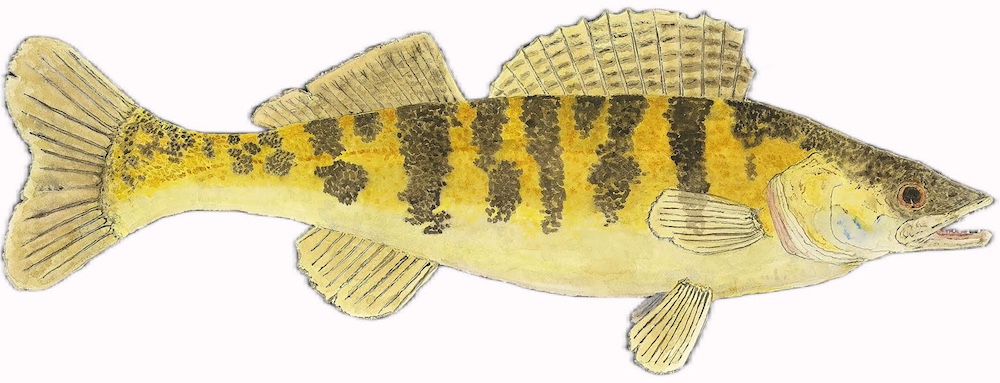
The illustration of the zander is by Thom Glace. According to Glace, the zander is a species of pikeperch widely distributed across Eurasia. It occurs in the drainage basins of the Caspian, Baltic, Black, Aral, North, and Aegean Seas. Its northern boundary is in Finland. The species has also been introduced to Great Britain, southern Europe, and continental Europe west of the Elbe, Ebro, Tagus, and Júcar drainages, as well as to Anatolia, North Africa, Siberia, Kyrgyzstan, and Kazakhstan.
Below the surface, the fish had grown attentive. “They’re returning,” said a trout, reviewing a chart mostly made of circles. “Not aggressively,” noted a salmon. “More… persuasive.”
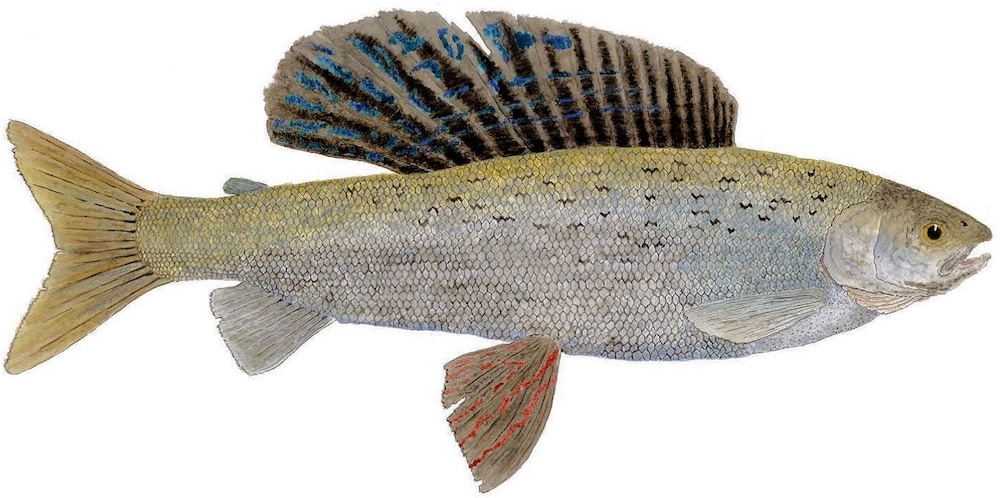
The Arctic grayling illustration is by Thom Glace. According to Glace, the species is widely distributed, occurring naturally in the Arctic Ocean basin in Siberia, from the Ob to the Yenisei drainage, and in European Russia, in some tributaries of the Pechora River. Lake-dwelling forms of Arctic grayling have also been introduced into suitable lake habitats throughout the Rocky Mountains, including lakes in the Teton Range in Wyoming, central Idaho, and the high Uinta Mountains in Utah, as well as the Cascade and Sierra Nevada Mountains, extending as far south as Arizona.
Demonstrations began—not by anglers, but by the tube flies themselves. One afternoon, a length of line lifted gently from the water. A tube fly slid into place, followed by a hook, then a fly—each component maintaining a respectful, adjustable distance from the others. The whole arrangement hovered briefly, as if to say, like this, then collapsed back into normalcy, leaving behind a crowd of deeply unsettled witnesses.
“That seemed… reasonable,” someone admitted. “Too reasonable,” said another, suspicious of comfort.
Casts improved. Not technically, but philosophically. The river, relieved, resumed being a river rather than a hallway of opinions.
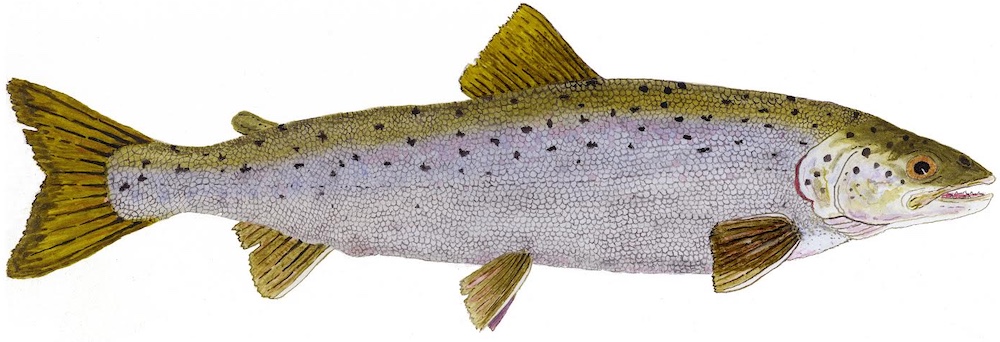
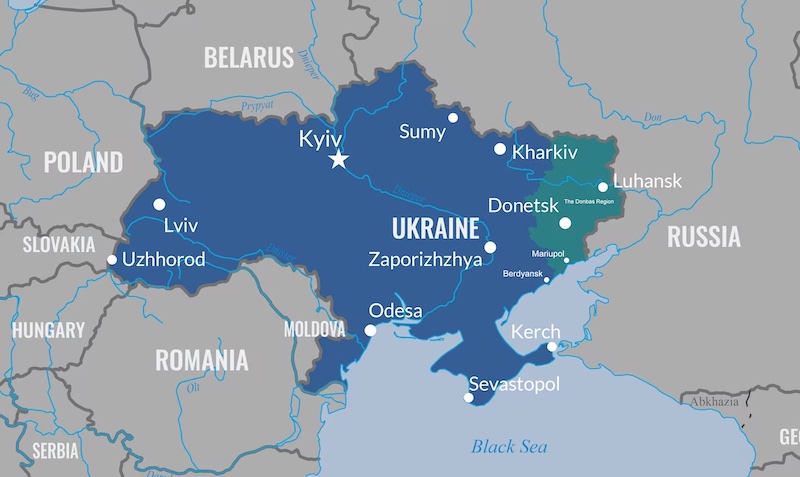
The illustration of the Atlantic salmon is by Thom Glace. According to Glace, the Atlantic salmon population in Ukraine is threatened. Salmo is a genus in the family Salmonidae and is part of the tribe Salmonini, along with the sister genera Salvelinus and Salvethymus. Almost all Salmo species are native to the Old World—including most of Europe, coastal North Africa, and parts of West Asia around the Black Sea. The only exception is the Atlantic salmon (Salmo salar), which is also naturally found throughout the North Atlantic, including eastern North America.
Sponsored