
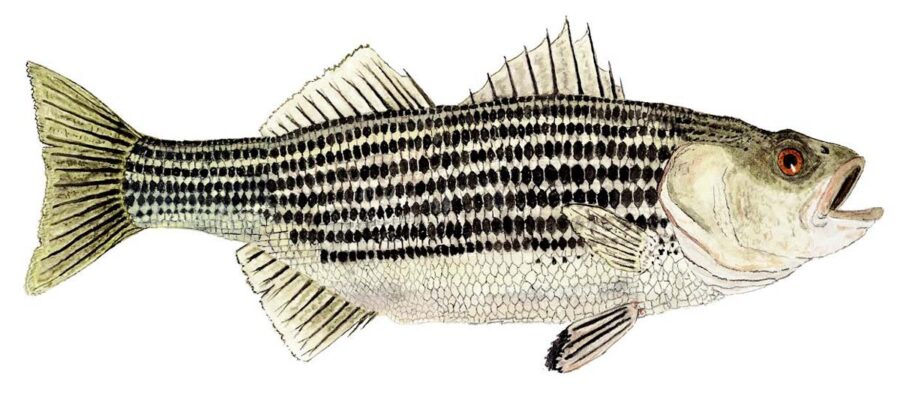
Thom Glace, the award-winning watercolorist, commissioned a striper that is one of the best illustrations of Morone saxatilis.

The tube fly “lure” controversy uses the language to deceive, a current political tactic

Henry Clement, Rehoboth Beach, Delaware, August 2023.

By Henry Clement

An attempt to classify tube flies as lures is being made under the Washington Department of Fish and Wildlife Regulations. The admission is telling:

“They’re too effective at catching fish.”

Some traditionalists can be fuddy-duddies

However, the sticking point for so-called traditionalists is that a tube fly can be disqualified if the hook is bare, even though all the materials are on the tube. Washington has (selectively) viewed a tube fly as not matching the literal definition of a fly. The definition is tied to the fly materials coverage, which must be tied to the hook shank. It takes a lot of mental gymnastics to consider tube flies as lures, even under contrived definitions. The world moves forward, while some stubbornly resist. The rise of tube flies in the UK, Scandinavia, and Northwestern North America has led to new fly designs and inspired innovative tying techniques. It has also proven effective on species previously considered unlikely targets for tube flies. Including panfish, trout, bass, pike, grayling, bonefish, tarpon, permit, trevally, and virtually any game fish in both freshwater and saltwater settings.

Catching On

Many new ideas for crossover tube fly applications, suitable for both freshwater and saltwater species, originate from North Americans such as Jay Nicholas, Peter Charles, Tim Flagler, Brian Flechsig, and April Vokey. They are supported by companies such as Orvis, HMH Vises’ Tube Supply division, and various outdoor travel agencies that send anglers worldwide.

Riverine Trout as Big as Salmon

From Argentina, known as the birthplace of “Jurassic” trout fishing, Ruben Martin stands out as the country’s leading, world-class fly tier and angling innovator. Over the past decade, Martin has demonstrated that tube flies can be more effective at catching fish than traditional shank-tied flies in Patagonia and beyond. (Note: See Ruben Martin tie the incredible Minnow Streamer that TJ Douglas claims is better than any baitfish fly pattern he has ever tied and fished, whether in freshwater or saltwater (#10 to #14 and 1/0 to 4/0). (See video below)

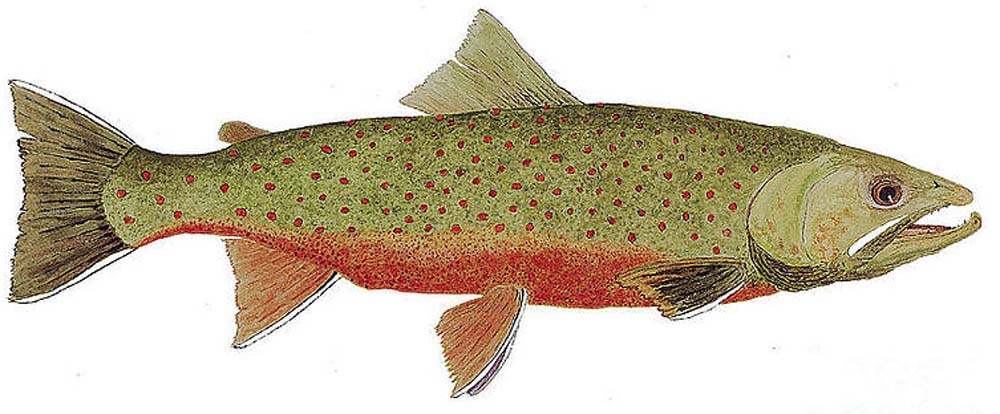
study of a male Dolly Varden char by award-winning watercolorist Thom Glace.

Staying Silent Avoids Being at the Forefront
Why do the fly-tying community and angling leaders that I revere — like Charlie Craven, Tim Borski, Kelly Galloup, Andrew Derr, Steve Hudson, Sandy Moret, Paul Dixon, Tom Rowland, and a few others — avoid meaningful conversations about tube flies? It remains a mystery. For years, I have repeatedly asked at fly fishing shows—such as the former Fly Fishing Show in Atlanta—about tube flies to the back bench, where expert tiers and noted amateurs sit and tie flies. The common response to a question about their experience with tube flies is, remarkably, “I don’t know much about them”; the second most frequent reply is that they are only good for billfish and steelhead; the third is, “Tube flies are not worth the extra effort to tie.” When I ask what extra effort they mean, I receive no reply because there is no “extra” effort—less, in fact.

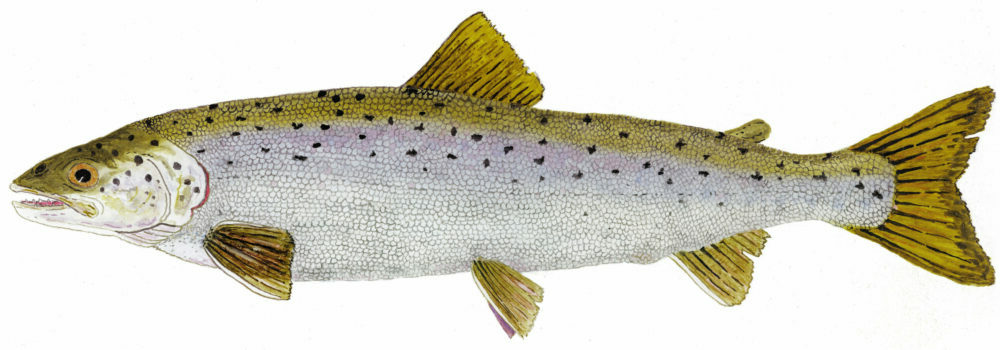
Adult Atlantic Salmon by Thom Glace, award-winning watercolorist, dedicated fly fisher, and conservationist.

The Too-Difficult Way Out
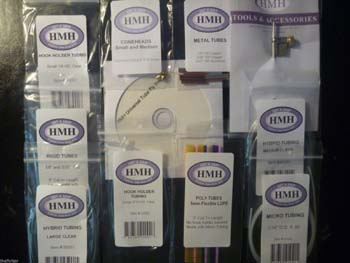
Those who argue it’s not worth the extra effort would have to claim that spending $75 with HMH to get fully set up is too much. Catching more fish, expanding a fly collection’s lifespan from one or two fish to one or two seasons, and switching out hooks instead of discarding flies — simply isn’t enough improvement. They would have to say, “I prefer less successful fishing, enjoy more difficult casting, and never improving is a family tradition.”
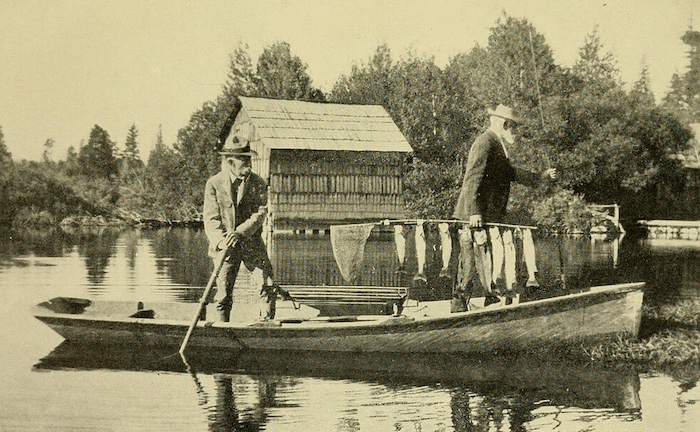
NOTE: Feature image public domain – Rainbows, Upper Klamath Lake 1909.


HMH provides a complete tube fly-tying starter kit. Everything you need to get started with tube tying is included — an instructional video. There is an adaptor tool and pins for your standard jawed vise. No additional equipment required. Just start tying, using the same techniques you already know.


Sponsored

Skip

Author Skip

More posts by Skip

Join the discussion One Comment

  • Andrew says:

    I think more than anything, for me personally, tube flies are like a mousetrap. The one I currently use works well. I am familiar with it and I understand it’s nuances.

Leave a Reply

Share
Translate »