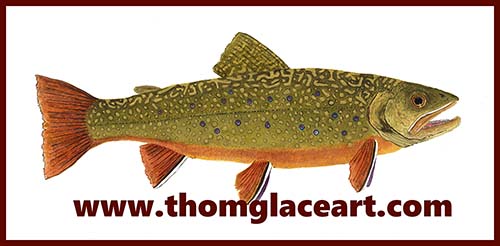

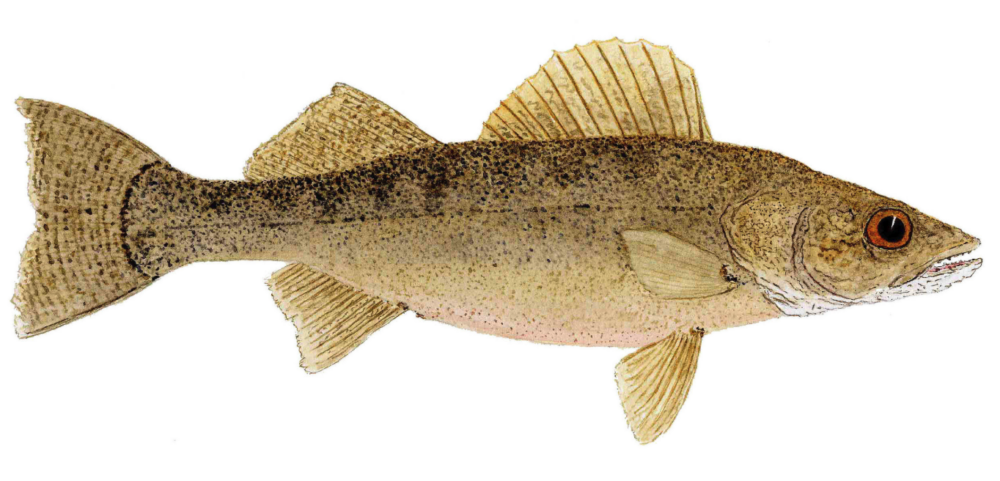
Walleye (Sander vitreus) study by acclaimed watercolor artist Thom Glace. Click here to visit his website.
Leadership Is Often Quiet

Henry Clement, Rehoboth Beach, Delaware, August 2023.
By Henry Clement
Wild Urban Adventures, a leading fly-tying company from Minnesota, is at the forefront of a quiet revolution: spin fishers across the Upper Midwest are increasingly adopting tube flies. Independent fly-tyer Mr. Vang captures the spirit with his informal marketing slogan, “walleye and white bass live the price” — a nod to his high-quality, hand-tied flies tailored for spring fishing in the region, where spin fishers make up a major share of the market.
Leadership Is Often Quiet
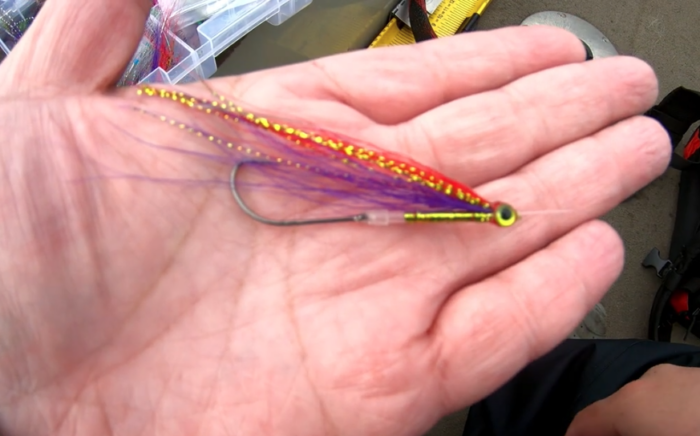
Devils Lake in North Dakota has become a proving ground for tube flies. Anglers there have moved away from standard hook-tied lures with attached metal spoons, drawn by the durability and effectiveness of tube flies against toothy walleye. The mechanics are simple but significant: when a fish strikes, the tube slides up the leader, leaving only the hook in the fish. A single tube fly can survive multiple catches before needing replacement — a stark contrast to traditional hook-tied flies, which are often one-and-done. Wild Urban Adventures has been instrumental in popularizing tube flies among spin fishers, particularly in North Dakota and surrounding areas.
Hey, Me Too
Many conventional anglers in Wisconsin and Minnesota have followed suit. Depth-rigged tube flies are proving far more effective than soft-plastic “Stupid Tube” lures, and they catch a wider variety of fish. Hook-tied flies have long had a place in spin fishers’ arsenals, but tube flies offer advantages that have been hard to ignore — advantages that have been discussed and demonstrated across the region for more than a decade.
Expanding the View
Fly fishers in the Midwest are also finding new applications for tube flies beyond the traditional salmon and steelhead contexts. These practical benefits are the engine behind the surge in popularity of the tube fly.
 On Another Front

Despite a boom in fly-tying and fly fishing tenkara style during COVID-19, enthusiasm for tenkara has waned. The reasons are not hard to find. Fly fishing sales reps shape shop owners’ buying decisions much the way pharmaceutical reps shape doctors’ prescribing habits — and tenkara is often framed as a threat to sales rather than an asset to new fly fishing anglers.
Groupthink Gets a Friend
The same dynamic plays out with tube flies. Conversations about them are frequently avoided out of ignorance, allowing outdated views to persist. Some talented fly fishers and tyers dismiss alternative methods as unnecessary, and corporate groupthink reinforces that resistance — filtering out external feedback and stifling adoption of genuinely better tools.

Sponsored