
The walleye bite is a bit off this morning. Maybe it will be better a few millennia from now.

How will this happen?

By Henry Clement
Recently, Republican lawmakers supported a decision that transferred valuable resources to a foreign-owned corporation, following a U.S. Senate vote to lift a mining ban near the Boundary Waters. Since then, debate has focused on environmental risks—especially whether wastewater from the proposed copper-nickel mine would drain into the Boundary Waters Canoe Area Wilderness (BWCAW) and affect the Superior National Forest.

Honestly, it’s that bad

Calling a foreign mining company that could cause a massive environmental disaster, with the destructive power of a thermonuclear bomb and the potential to destroy four million acres of the Boundary Waters Canoe Area Wilderness (BWCAW) and Superior National Forest for countless generations, simply “possibly a bad idea” is a huge understatement. This description does not capture the real scale or lasting impact of the possible catastrophe.

No ICE thugs allowed in this boardroom

The copper and nickel mine proposed by Twin Metals Minnesota—a subsidiary of Antofagasta plc, a Chilean conglomerate [now headquartered in the UK]—has never demonstrated credible protection against inevitable toxic waste pollution. The only certainty is long-term harm to the wilderness, highlighting that profit motives will drive irreversible environmental risk.

Mining of toxic metals

Even the dust from mining could shroud forests, choke animals, birds, and fish, wounding nature before groundwater contamination spreads. The heartbreak begins early, long before the full scope of devastation unfolds.
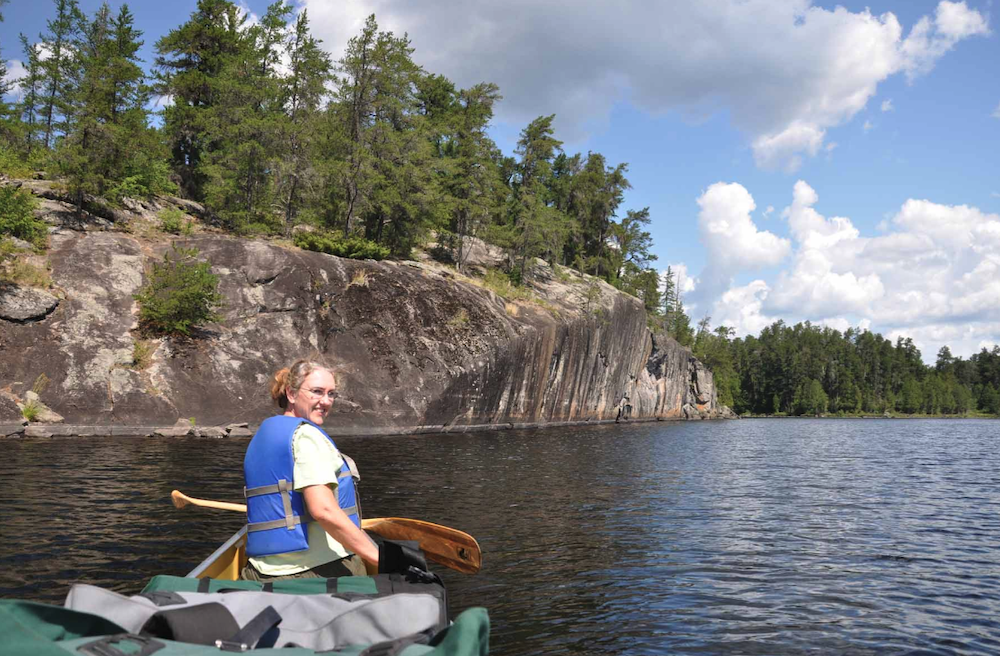
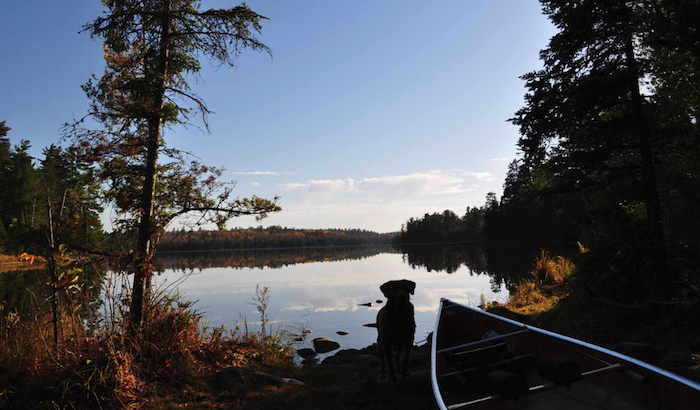
Learn more about Boundary Waters from Ely Outfitting in Ely, Minnesota. Photo by Ely Outfitting  . . .

The copper-nickel mine near the Boundary Waters Canoe Area Wilderness (BWCAW)

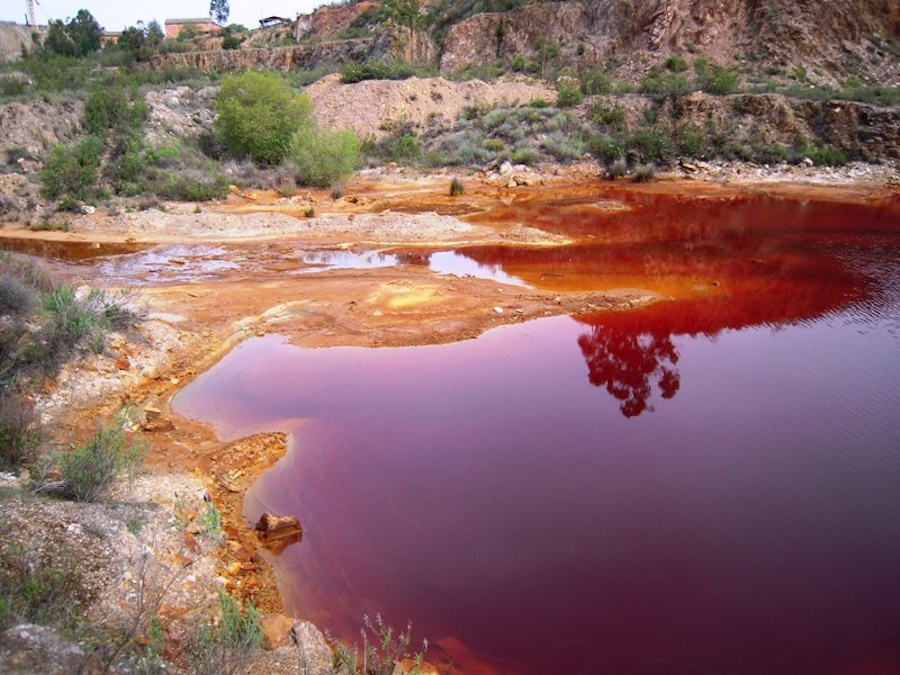
The primary environmental threat from profit-driven mining in Minnesota’s Boundary Waters is water pollution, especially acid mine drainage from sulfide-ore mining. This process contaminates interconnected lakes, streams, soils, and groundwater with sulfuric acid, heavy metals, sulfate, mercury, arsenic, and lead.

Shallow soils

This uniquely vulnerable region—thin soils and intertwined waters—stands on a precipice. Pollution could sweep through, destroying what generations have cherished. The Forest Service’s warning resounds: mining risks permanent, irreplaceable harm to the wilderness we love.

Health and pollution do not mix well

Acidic runoff threatens to kill fish and ruin aquatic habitats by degrading water quality. Heavy metals could poison wild rice, a sacred and essential part of Ojibwe culture, leaving families mourning lost traditions and a dying land.
Dust, tailings, and industrial pollution will wound forests and vegetation, causing habitats to crumble. Accidents don’t just harm—they devastate, changing landscapes and spirits forever. A single spill could shatter the interconnected wilderness, leaving scars for generations.

Polite opponents call this a high-risk sulfide mine in a uniquely sensitive landscape
The biggest risk from Twin Metals, controlled by Antofagasta—a lucrative Chilean mining conglomerate—is not just visible destruction, but long-term contamination driven by the pursuit of profit. If pollution reaches the Boundary Waters, the damage could last centuries, devastating fish, wild rice, wildlife, and downstream communities.

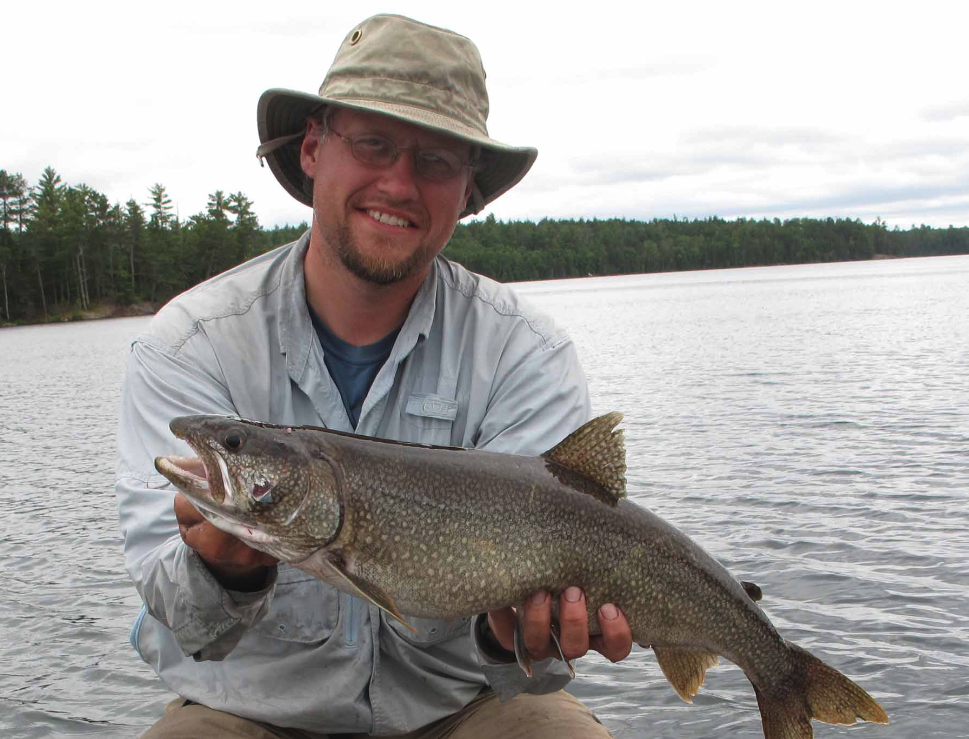
Do you think this is valuable? Ely Outfitting, Ely, Minnesota, photo credit.

Republicans

The U.S. Senate recently voted to lift the mining ban near the Boundary Waters, sparking debate over environmental risks and misinformation online about the mine’s proximity to the Superior National Forest. The Twin Metals mine site is not inside the Boundary Waters Canoe Area Wilderness but is upstream in the watershed, raising concerns that contamination would flow into the protected area.

Is it possible for Twin Metals to contain the pollution?

Environmental studies raise serious doubts. U.S. Forest Service reports from 2016 and 2022 concluded that sulfide-ore copper mining near the Boundary Waters poses severe risks, including “permanent water and soil contamination.”

More

A separate peer-reviewed report by Earthworks in 2012 examined 14 sulfide-ore copper mines, which accounted for 89 percent of U.S. copper production at the time, and found that all 14 had experienced accidental releases. Thirteen of these mines also experienced failures in water collection and treatment, resulting in significant impacts on water quality.

Who benefits from removing these protections?

The most immediate beneficiary is Twin Metals. Supporters say the mine would create over 750 permanent jobs and more than 1,500 related positions. However, a 2018 Harvard University economics study found that while there is an initial, temporary boost in employment, over time, the “economic benefits of mining would be outweighed by the negative impact on recreation and in-migration.”
What would the mined minerals be used for?

Twin Metals says these minerals are important for new clean energy technologies, including copper for wind turbines and cobalt and nickel for lithium-ion batteries in electric vehicles. They are also used in construction, electronics, and consumer goods.

Can this be reversed if Democrats gain the majority?

The process is complicated. Because Congress used the Congressional Review Act to repeal the Biden-era moratorium, a future Democratic president cannot simply reimpose the same regulation. The law generally prevents agencies from issuing a substantially similar regulation again.
However, a future Congress and president could pass new legislation banning mining in the Superior National Forest. At the state level, a bill could tighten controls on mining in the Boundary Waters watershed. The next governor’s election could also affect future actions.

Smallmouth bass [Micropterus dolomieu], one of dozens of game fish caught in Boundary Waters. Illustration is by Thom Glace, an award-winning watercolorist, angler, and conservationist.

Don’t stay silent

Contact your representatives today. Urge them to oppose high-risk mining in the Boundary Waters and demand lasting protection for this irreplaceable wilderness. Share your views and encourage others to speak out as well.

 Tell them you’re mad as hell, and not going to take this anymore!

Click here for a list of the U.S. House of Representatives  . . .

Click here for a list of members of the US Senate . . .


Fly Fish Minnesota Boundary Waters video–click here


Sponsored

Skip

Author Skip

More posts by Skip

Leave a Reply

Share
Translate »