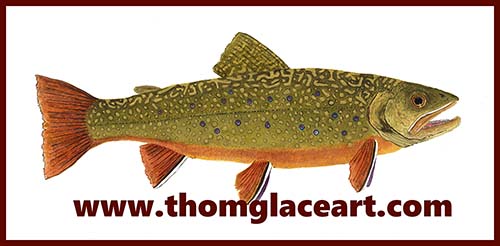

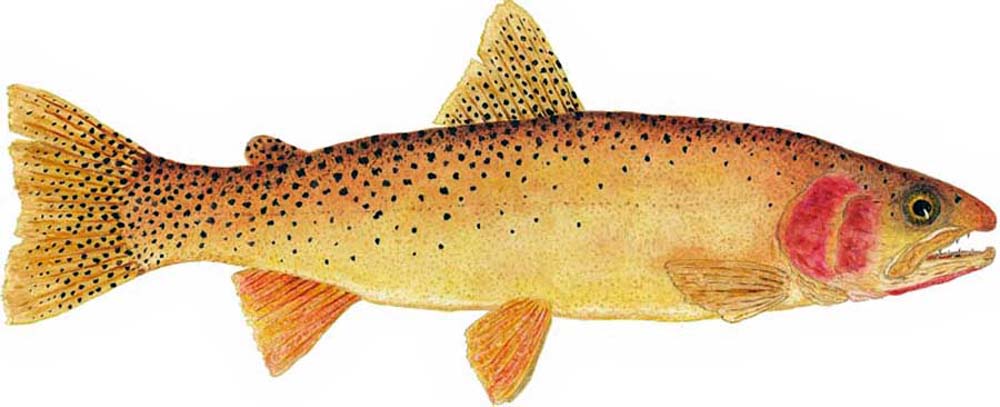
Yellowstone Cutthroat study by award-winning watercolorist, fly fisher, and conservationist Thom Glace.

Making my catching a lot easier, hiding the hook a part of the deception, not letting the fly be part of escape leverage, making large flies lightweight, preserving my fly inventory, putting flies in my pocket

By Henry Clement
There seems to be an undeserved reluctance by a lot of good U. S. fly fishers, in certain types of angling pursuits, to avoid the advantages of tube flies, and you’d think there are apparent reasons for this lack of magnetism. I asked around, and none made any sense – mostly here in Georgia, they only shrugged their shoulders.

Trout fisher

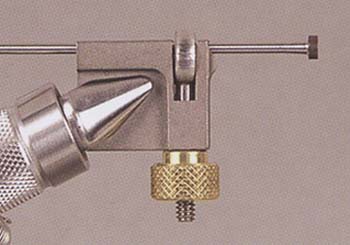
This fits on your vise, and you are in business to tie any kind of tube fly there is. You can get a complete tube fly set up for around $100 from HMH – see link below.

Ask a trout fisher who uses surface swimming flies, streamers, or needs to swim a fly just below the surface, fitting the advantages of using a tube fly, why the shrugging or blank stare, responses you’re not expecting.

Bass Fisher

Bass fishers of the conventional fishing rod religion do like using craw tubes, hard-headed tubes, and any rubbery worm-like lure in a tube configuration. In the few money fly fishing only bass tournaments, a tube provides “quick” changeouts, and quick is the salt & pepper of any money bass tournament [quick casts, quick boats, quick engine starts, quick retrieves, quick dehook, quick pee, find it quick, and quick anything].

The top captains and their top offshore bill-fishers on a fly are almost 100% tube flies. The hooks determine a fly’s stealth, bite purchase, and strength like a #12 or 6/0. The pattern size and style aren’t dependent on hook style like conventionally tied flies!


A huge tube fly 6-inches long could have a #14 short shank hook, or an 8/0 hook. Any hook size choices you’re making on a tube fly have a significant impact on the charm the fly has on the game fish, which is not an option if the fly is tied directly to the hook shank.

tubefliesRivetheadBrownie.jpg

Salmon trutta makes a short strike of tube fly, and says, “Uh oh,” but appreciates the MAD RIVER OUTFITTERS release.

Fly Fisher

Ask a fly fisher dedicated to snook, redfish, permit, smallies or largemouth bass, bonefish, lake trout, walleye, Canadian size Salvelinus fontinalis [brook trout], or tarpon, and only a smattering of tube fly enthusiasts – possibly. It’s almost as hard a sell to get them interested in tube flies as it is to get a MAGA moron to accept facts.

Salmon

Atlantic salmon, a pocket full of tubers, maybe. The Great Lakes are home to imported Pacific salmon and steelhead, a small core of converts, but you have to “Go West Young Man” to find that tube fly users are not driven away in chains or just sent away and told never to come back. They, like their  Canadian west-coaster relatives and Alaskan fly-fisher brothers and sisters, are all in on tube use and spey and switch-length rods.

Scandinavia

Go to Scandinavia or Europe, and the tube is the standout weapon of choice, along with shorter spey and switch rods than we find here in the U. S. And speaking of an outstanding collection of fatigue-resistant, short, two-handed fly rods as designed by RB Meiser [909 series rods] and new, light, black-only fly reels made to spec by the master craftsman, Kristen Mustad of Nautilus, and tube flies tied by legal immigrants with all the right stuff – “Dedicados a hacer que nuestras moscas sean perfectas todo el tiempo.”

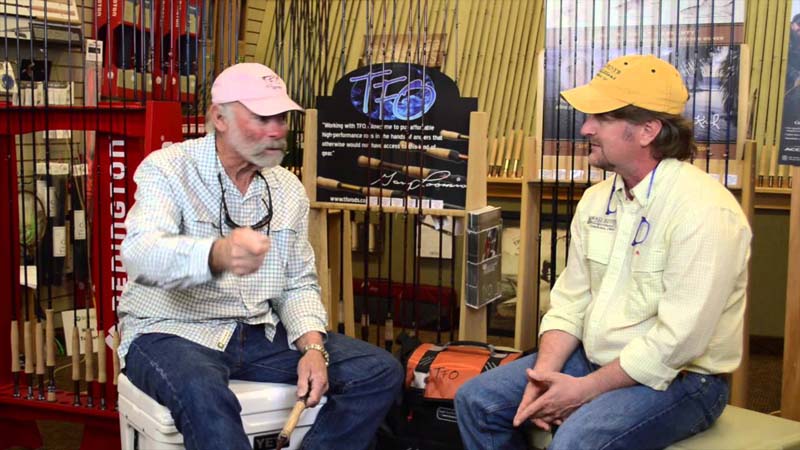
Featured Image: Flip Pallot and Brian Flechsig talk about Mad River Outfitters‘ over two decades of operation. MRO has a great online service. Central to the Great Lakes, they speak salmon and steelie… with a brogue.


CONTACT:


Email
info@hmhvises.com
Phone
207 729-5200
Fax
info@hmhvises.com
Address
432 Elm St US Rt 1
Ste H
Biddeford, ME
04005


Sponsored

Skip

Author Skip

More posts by Skip

Leave a Reply

Share
Translate »