
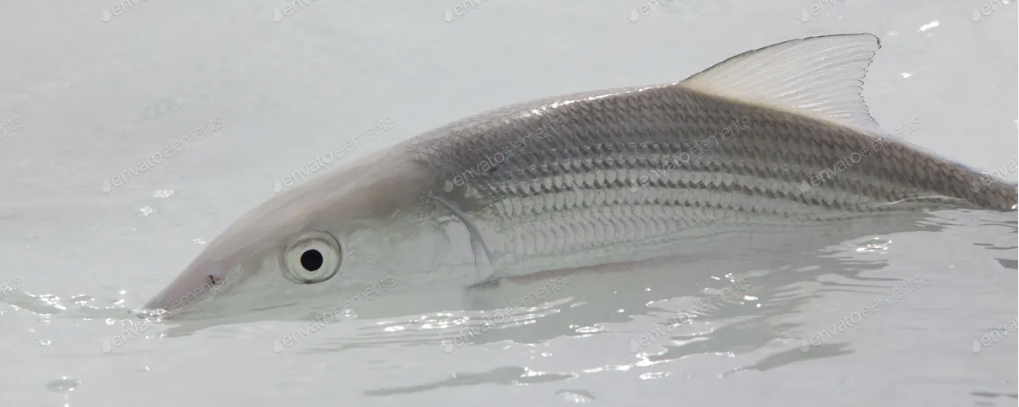
A bonefish in clear, shallow saltwater near Havana, Cuba. Envato image.

Henry Clement, Rehoboth Beach, Delaware, August 2023.
If you find yourself physically compromised or simply striving to improve as a caster, it may be time to jump ship—here’s how to make the transition
In truth, casting well involves many elements, much like a good pasta sauce. For example, these other factors play a key role in a good cast:

Image credit Wirestock/Envato
When it comes to making casting easier than conventional casting, but is outside tradition, it will sometimes get booted out of the club
Bob Meiser
Why are switch rods under 10-feet now highly valued
- Brush & Canopy Clearance: With lengths under 10-feet, you can easily fish heavily wooded, intimate rivers without snagging your backcast on streamside foliage.
- Precision Accuracy: Shorter rod blanks offer a stiffer, more direct connection to the line. This allows for pinpoint placement of flies into tight pockets and undercut banks. Read more here …
- Fighting Leverage: Shorter rods give you a mechanical advantage (more leverage) when fighting and turning large fish, especially in fast, turbulent currents.
- Weight & Fatigue Reduction: Less material yields a significantly lighter swing weight, reducing arm and shoulder strain during long days of repetitive casting. Read more here …
- Versatility for Single-Hand Casting: While true switch rods are designed for two-handed casting, a rod under 10-feet acts much like a classic, single-handed fly rod when needed, allowing you to easily strip, mend, and present flies with one hand.
Who makes a lower-weight fly rod with a spey-like grip below the reel seat?
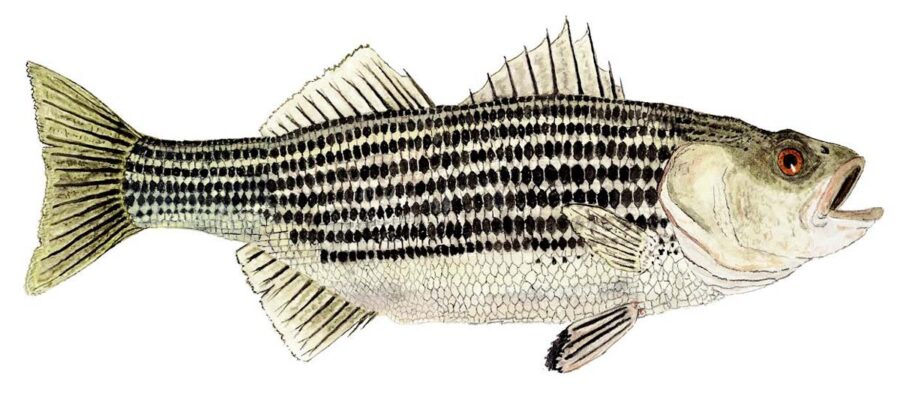
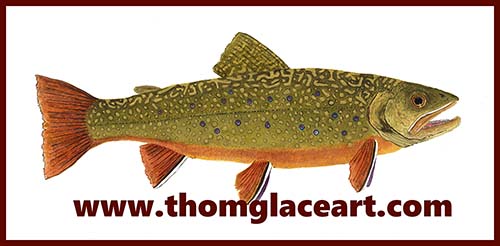
Thom Glace‘s award-winning watercolor of a commissioned striper is one of the best illustrations of Morone saxatilis.
A second trend that simplifies casting is the adoption of this specific casting style:
Conclusion, easier does not fatigue
Certainly, many mainstream fly rod companies produce so-called fast-action rods that any decent weekend angler can cast and potentially covet. You can’t try all of them, but you can cut through the heavy advertisements and nonsense and test a few at a classic old-fashioned fly shop that has a few demo rods rigged with popular regional lines, leaders, and yarn flies. Usually, 5- and 8-weight rods are cast in a parking lot or alley, conveniently aiming at the rear bumper of a convertible BMW, a local cat, or a squirrel.
That said, a better approach is to attend a fly-fishing show or festival sponsored by a fly shop or fly rod manufacturer
And even more reassuring experience is owning and testing a few rods in real fishing situations.
My friend Angie Rothh has a Sage R8 Core 9’6″ 6-weight fast-action fly rod renowned for its versatility, deep loading, and enhanced two-way feedback loop. It costs between $1,050 and $1,100 and is widely regarded as an excellent crossover rod for handling delicate dry flies, heavy nymph rigs, and streamers. She says, “No problem, big flies on open flats water.”
What I personally appreciate about the R8 in real time is the lack of reverberation, which allows feedback to register each cast under the conditions faced and be stored for future use.
A YouTube video by Sameo explains the casts well …
Sponsored