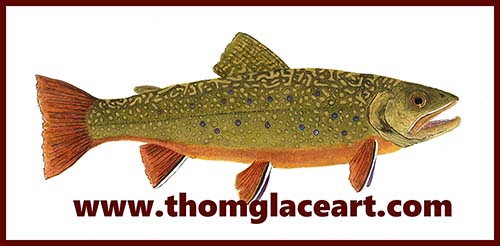

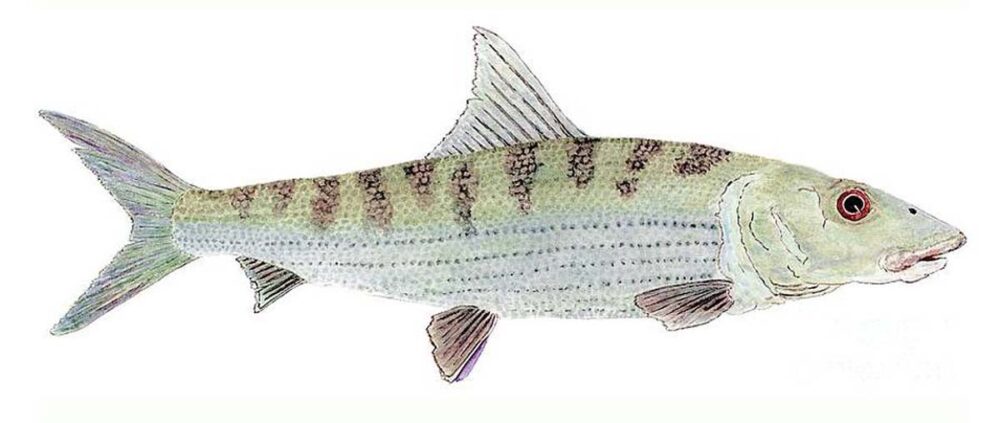
Albula Vulpes. Bonefish illustration by Thom Glace.
Cautions and advantages of using gel-spun thread

Henry Clement, Rehoboth Beach, Delaware, August 2023. Photo by Captain Andrew Derr.
By Henry Clement
Before addressing the advantages of gel-spun thread, it’s important to acknowledge its notable drawbacks: it can slice through foam, hollow hair, and other delicate materials; its slick surface can make materials harder to secure; it can be difficult to cut and is tough on scissors; regular use can wear down metal bobbin tips; and its minimal stretch provides little cushioning as you tighten.
Those are fair points, and I wouldn’t dismiss them
My point isn’t that gel-spun thread is flawless or right for every situation—it’s that those drawbacks could make it a poor choice. The question is whether they outweigh its advantages for the particular fly you’re tying.
If respected professionals, YouTube, and celebrity fly tiers are on board, I’m inclined to take notice
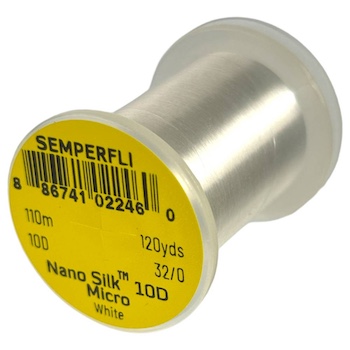
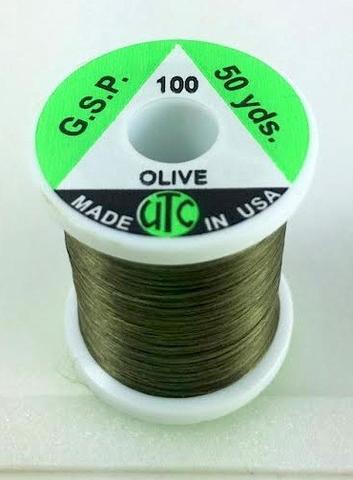
Kelly Galloup — Galloup’s Slide Inn has a YouTube video devoted to tying threads, and his go-to is UTC Ultra GSP — the 100 denier is his favorite for its versatility: “anything from large nymphs and dries to articulated streamers.” Gunnar Brammer (Brammer’s Custom Flies) ties most of his streamers with Semperfli Nano Silk, another gel-spun polyethylene. Tim Cammissa also used Nano Silk.
 Advantages
High strength with minimal buildup. Fine GSP allows you to secure materials without creating oversized bodies or heads—particularly useful for midges, small dries, and other slim patterns. Its strong binding is ideal for spinning and packing deer hair, where you need substantial thread tension. Some published caddis patterns specifically call for GSP for this purpose.
Good for split-thread dubbing
Many GSP threads consist of fine, separable filaments that you can open with a bodkin to insert dubbing, avoiding the bulk of a separate dubbing loop. How easily they split depends on the particular thread.
Low stretch and no water absorption
GSP provides direct tension control and does not absorb water. Its low density also means the thread itself floats, although that alone does not determine whether the finished fly floats.
 Cautions—and how to manage them
- To avoid slicing through foam and delicate materials, start with two loose gathering wraps, then tighten progressively. Flatten or untwist the thread to spread pressure, rather than pulling hard on a narrow, twisted strand.
- To counteract its slick surface, apply super glue sparingly to the thread, either as you progress or when you begin wrapping. Also, consider using wax during tying for added grip.
With tube flies, I do not always whip finish
Instead, I use UV resin lightly applied and light-cured. No issues reported. Cut with a razor, as Tim Flagler mentioned in Orvis News. No metal or plastic bobbin; use a ceramic one.
- Low stretch, which most threads are familiar with, requires getting used to with gel spun. Personally, I only tie a few foam ants when terrestrials start appearing in late summer.
- I only have white and black in 100 denier. I abandoned regular thread seven years ago and only regret not switching sooner. I am not a skilled fly tier and only fish a small collection of streamers, nymphs, and dries. Admittedly, I salvaged seven spools of Ultra thread in 70 denier.
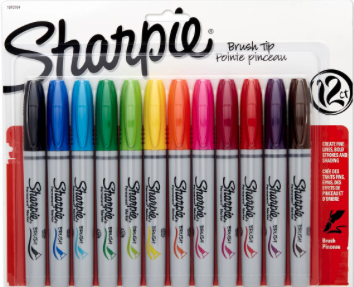 A permanent Sharpie solves almost all of the color issues
The easiest approach is to color the thread before wrapping it, especially when you want a dark head without accidentally marking nearby feathers or hair. I color the thread post-tying. It’s just easier for me. Not many flies are thread-exposed, so that’s not an issue. White Nano Silk and other white GSP threads readily accept permanent marker color.
Sources
Kelly Galloup
Orvis News
Nordic Anglers
Sponsored