

Getting started tying flies
By Henry Clement
You won’t save money tying your flies, but doing so will make you a keener observer of what the fish you’re targeting will eat. This learning curve includes the fly type, the fly size, the color, how to swim it or dead drift it, and when, for either tease, whether a dry fly, streamer-wet fly, popper, or nymph.
The techniques for gaining this knowledge come from having a good guide or learning from many outings and mistakes.
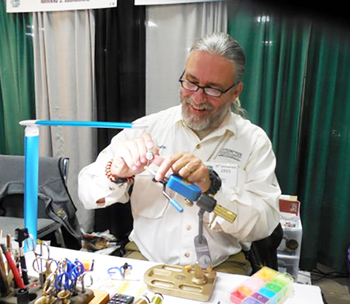
Tim Flagler, fly-tying expert, see whip finish videos below—Flagler photo.
Let’s get into it with tools
Fly tying kits have been plagued with inferiority to the point of not investing. However, angler kits are getting much better for both beginner and skilled angling/tier destination travelers. I would not hesitate to buy one for trout fishing, measuring my buy with extreme scrutiny. As a matter of course, and given the horrors of plane travel these days, I no longer bring my best tying equipment.
I have a good kit of tools with a will-do vise, an investment of less than $100. That does not include a week’s supply of material, which is generally not a lot of money.
My reasons for this change of mission practice are TAS, baggage handling, the current dislike of US citizens abroad, easily enraged passengers with aggressive behavior about overhead storage, and on-the-ground in-country theft. If I lose my regular tying equipment and a flush supply of materials while traveling, my loss is out of business. If I lose my kit and a small supply of materials, I can survive to tie another day.
Tools: There are two that are critical, the Vise and the Bobbin
A good vise, the most essential tool in fly tying, must have acceptable jaw occlusion. This means it can easily open and close effectively and securely, hold various-sized hooks, and last over time.
If you tie tube flies, the same jaw occlusion capacity but with a mouth for holding tubes made of soft and hard plastic coming in 1.5mm – 2.5mm outer diameter for nymphs and small streamers, 3mm – 4mm outer diameter for larger nymphs and streamers, and 4mm – 5mm or more outer diameter for larger streamers and saltwater flies, metal tubes of aluminum, copper, and brass have 1.8 mm and 3.0 mm diameters. The latter is more common.
NOTE: The links below provide a list of vises.
Buying a vise with the sole intent of saving money was a disappointment, as it was for several of my companions in my tying clubs here in Georgia and Florida. I’m sure that is true for many reading this missive. It seems a rite of passage that does not have to be that way.
Bobbins
A bobbin is the device that holds the thread. There are many types of threads and an annoying system for thread measurements, including thickness (diameter and weight). The thread, of course, attaches the various parts of the flies to the hook or tube. Bobbins video by Savage Flies.
Bobbins are designed to increase or decrease the tension on the thread as they are dispensed with a reliably consistent and adjustable pressure.
Scissors
Pro fly tyers have a natural preoccupation with scissors for a good reason. They use them daily, and having them fail quickly is expensive. If you tie for a particular season and species, or just for fun, as some do. Scissors are costly, but our club guru says she uses scissors from tying suppliers that offer scissors. She says they will hold up and do their intended type of cutting satisfactorily.
NOTE 2: Link to scissor commentary by pro tyer.
Whip finishing tool ~ Copy and paste.
[ https://youtu.be/ra3MuNtK4qM?si=gLPngRxxYGjZR2Vb ]
Whip finishing hand tool ~ Copy and paste
[ https://youtu.be/_Evnf99pLPY?si=vsOWw5Tt4wlUuUnS ]
Vises

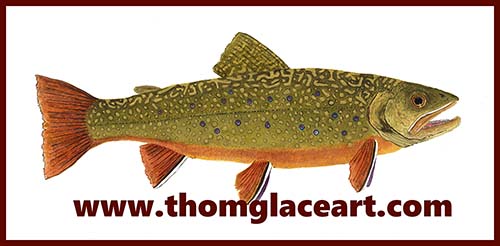
Klamath Basin redband trout by Thom Glace.
Watch Ruben Martin, the world-famous fly tyer, tying the classic Royal Wulff as a tube fly
Sponsored