
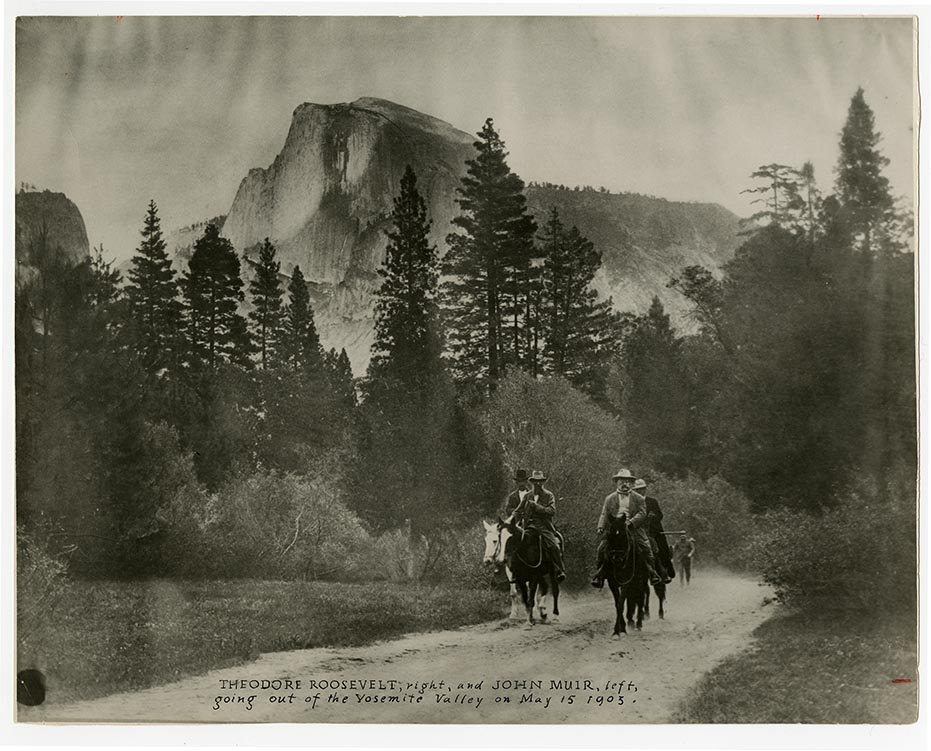
JOHN MUIR: Go quietly and alone; no harm will befall you. In wilderness places, standing solitary on a mountain-top, it becomes clear that, whatever special nests we build, we all dwell in a single room — the world, with the firmament as its roof — and sail the celestial spaces without leaving a track.
Choosing an outdoor life offers a quiet gift that often arrives unnoticed, but just in time.
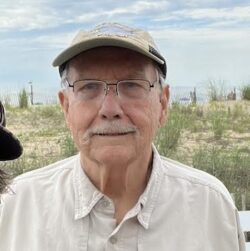
Henry Clement, Rehoboth Beach, Delaware, August 2023. Photo by Captain Andrew Derr.
By Henry Clement
You do not recognize it while slogging upstream at dawn or lying in camp with only water lapping the shore and an owl calling in the distance. It accumulates slowly, almost geologically, in your habits and nerves. Then, when you need it most, you discover that those solitary hours have become an interior shelter.
It reveals itself during the harshest seasons of life:
When someone you love dismisses you, when you must go on without a spouse, or when family turns away and treats your existence as an irritation. “Shut up and leave me alone” is a simple sentence, but it can break decades of assumed belonging. The wound is similar when it comes from the larger culture—when politicians behind microphones suggest that poverty can be solved by cutting assistance and telling exhausted people to get back to work. In such moments, you are meant to feel disposable, surplus, an inconvenience in someone else’s economic theory.
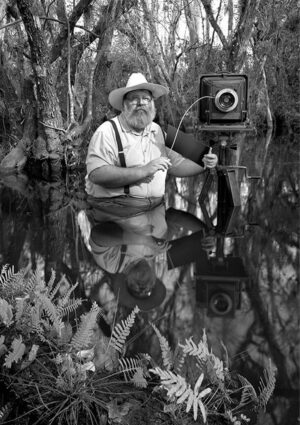
CLYDE BUTCHER: For over 70 years, Clyde Butcher has been deeply immersed in nature, treasuring alone as he wades into the darkest swamps and ventures into the remotest places. His profound wonder for wild spaces has deepened our appreciation of their beauty and the urgent need to preserve them.
The outdoor life does not offer escape from these realities
It offers another way to stand within them. Time on a river, in a marsh, beneath hardwoods, or along a distant shore teaches you to live in your own company without feeling diminished. You learn the shape of a day not governed by other people’s demands or social scripts. A mind that has watched mayflies hatch, waded fishless saltwater, or walked an empty trail with only its thoughts becomes less afraid of silence and less dependent on affirmation.
Fly fishing, hunting, camping, backpacking, walking a wooded trail, and birding are more than hobbies. They are exercises in self-governance. They require small, private decisions: where to cross, when to change flies, how to rig shelter before a storm, when to accept that the fish will not cooperate and call it a day.
Each decision builds confidence in your ability to meet what the world gives you without relying on a partner, committee, or supervisor. Over time, that practical competence migrates inward. You become more at home in your own mind.
That inward home matters when outer homes fail.
When the other side of the bed is empty, or when the phone stops ringing because people you thought were family have decided you are an inconvenience, you are not entirely evicted from fellowship. You still belong to places that held you:
The river where you learned to wade, the ocean you know by feel, the hillside familiar with your footsteps, the patch of woods where you brewed coffee before dawn and listened to surf, birds, and coyotes fading into morning.
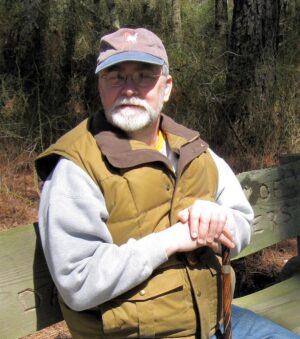
THOM GLACE: I have spent much of my life alone, but rarely lonely. Early on, I found peace with the hardest person to please—myself. Sharing my solitude with nature is by far the most rewarding. Exploring the stark terrain of the Scottish Highlands or hiking a trail on the Isle of Skye brings a profound sense of companionship. Even standing in the middle of the Yellow Breeches Creek, fly fishing for trout, pales in comparison to being sixty feet down on a reef, surrounded by a waiting line of fish at a cleaning station. How can one feel anything but joy, not loneliness, when enveloped by so much vibrant life?
Landscape becomes a kind of kinship. It reminds you that solitude is not abandonment.
This has a political dimension, too. People who live attentively outdoors are less easily reduced by slogans, flags, hats, and lapel pins to voting blocs or donors.
If you have watched a heron hunt, a salmon run, insects beneath river stones, or flying fish break from the sea, you understand that no ecosystem is simple
You carry a bodily awareness that life is irreducible and interdependent. So when someone insists that vulnerable people are merely lazy and undeserving of support, you have a practical counterexample. Your experience of vulnerability in wild places and dependence on land, water, weather, and the care of others. You know how thin the line can be between competence and crisis—how quickly a lost job, illness, or missed payment can place someone in jeopardy.
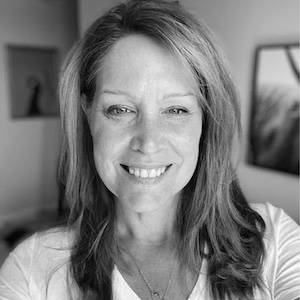
JENNIFER KELLEY: My ability to be alone began in childhood. There was a rule that I had to spend most of my time outside. If friends weren’t around, I would go to a nearby park and explore the creek, even venturing through the tunnel to see where it might lead—into the woods, where I’d create paths for myself and build stick houses for the critters. My connection with nature truly blossomed when I became a single parent. Today, as then, I still connect with nature, walk down long wooded roads, and explore other richly forested parks. I have always loved my trees.
Comfort in one’s own company does not mean preferring isolation
Some of the best days outdoors include companions. A friend in the drift boat, a partner by the fire, another hunter on the ridge at dawn. Yet those relationships are often shaped by shared attention rather than constant talk. Two people can stand in a riffle for hours, communicating through a glance, a nod, a hand signal toward a rising fish, or a movement in the brush. That kind of communion teaches that presence matters more than performance.
Later, when the world tells you to move on, toughen up, return to work, or stop being a burden, you can remember companionship at its essentials: mutual regard, patience, and the willingness to share space without trying to control one another.
Solitary outdoor practice also offers moral perspective
Places that do not care about your résumé, wealth, or status teach you to value character and steadiness over rank. The river does not ask whether you are management or labor, married or divorced, respected or disgraced. It asks only whether you will respect its currents and its fish. That indifference to human hierarchy can heal someone socially demoted by family conflict, widowhood, or hardship. Standing midstream, you may realize that whatever verdict others have rendered, the living world has not joined them.
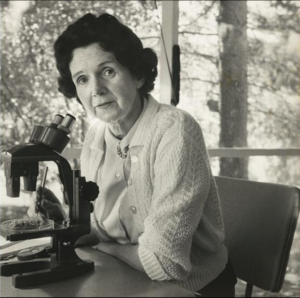
RACHEL CARSON: Rachel Carson famously wrote, “Those who dwell among the beauties and mysteries of the earth are never alone or weary of life. In nature, nothing exists alone.”
Outdoor life also rehearses hardship
A leaking tent, a dead motor offshore, a truck that will not start at the trailhead, a blown-out river—each teaches acceptance of what cannot be controlled and calm attention to what remains. These are drills, not tragedies. When larger misfortunes arrive—funerals, court dates, bank notices—you are not meeting contingency for the first time. You have practiced the stoic routines that carry a person through: make coffee, take stock, fix what you can, adjust what you must, and keep your feet under you. The paradox is that learning to be alone outdoors can make you more capable of solidarity, not less. A person who is not afraid of solitude is less vulnerable to threats of exclusion. They can defend themselves and others, criticize cruel policies, demand humane treatment, and resist degrading narratives because their worth does not depend entirely on any one group’s approval. The woods, rivers, flats, and high country have vouched for them in another way.
The gift of an outdoor life is not merely scenery, fish, game, or miles walked
It is the gradual construction of an inner shelter: a competence and calm the world cannot easily take away. When politicians sneer, family withdraws, or grief empties the house, you can still sit on a log, watch tidewater fill a mudflat or water move over stones, feel your breath, and say—not with bravado, but conviction:
I am here. I can endure this. I am not alone in the deepest way that matters
Sponsored