
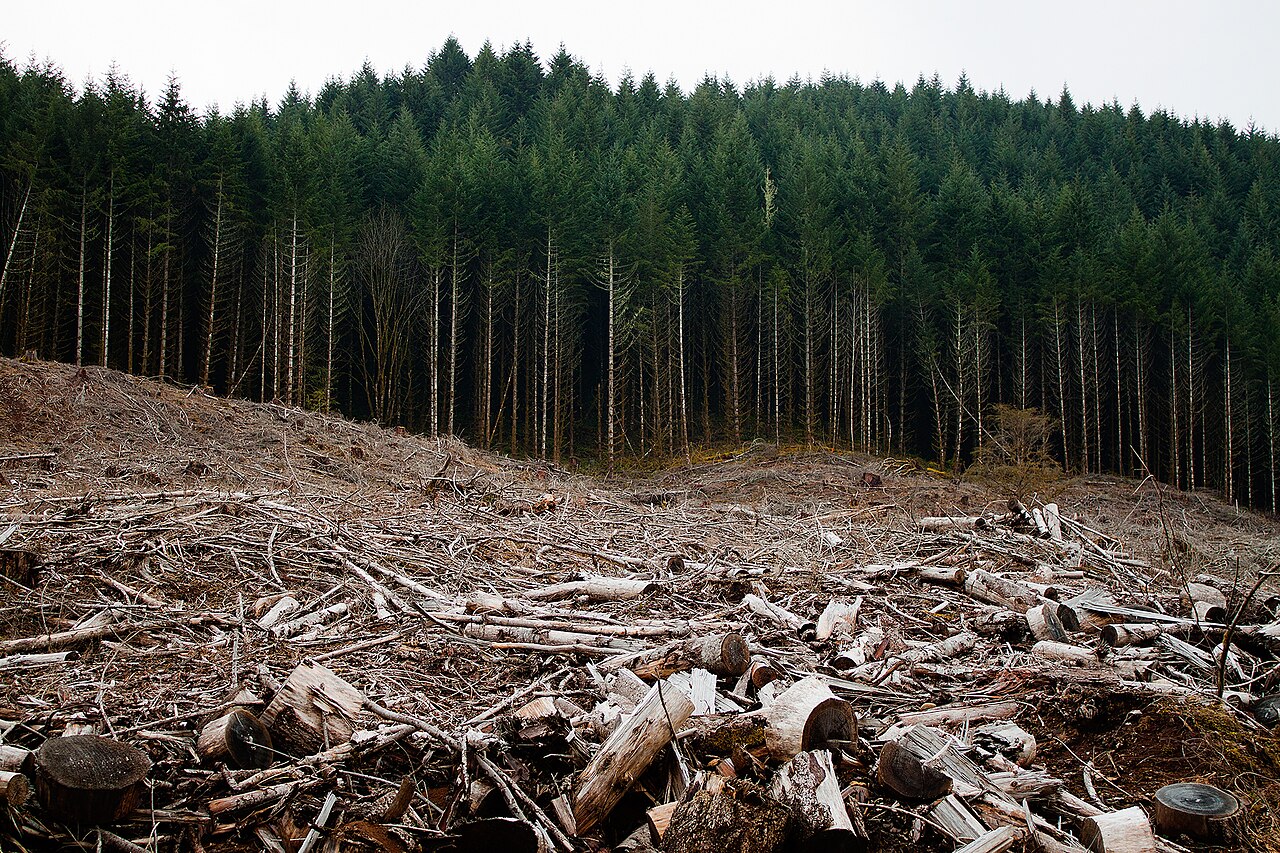
Clear-cut forests near Eugene, Oregon, in 2011. Photo: Common Image by Calibas. While this particular case was likely acceptable as controlled logging, not all clearcuts are wise—especially when they impact waterways.
Human activity must change, and rapid climate change has to be addressed by grown-ups
By Henry Clement
Concern about the lack of snow in the Western United States is well-founded among scientists, outdoor enthusiasts, and communities facing water shortages. The current administration appears oblivious to environmental warnings, further compounding environmental issues. Diminished snowpack, dying forests, and increased forest fires—exacerbated by the loss of forest cover—are causing dangerous overheating of riverbanks. This is leading to the extirpation of trout and salmon from local fisheries.
It has been investigated
Measurements of salminoid species of trouts and salmons living in deforested riverine freshwater environments are as much a 55% smaller than those of the species living in ecologically secure environments. For example, a 4-pound rainbow or another type of trout would be over 8-pounds; spawning would be more productive as well.
The predominant pine forests of the West, the Ponerosa Pine
 The decline of Ponderosa pine forests throughout the American West is a critical issue explored by Gary Ferguson in his book, “The Twilight Forest: An Elegy for Ponderosa in a Changing West.” Without reviewing the book in full, here is an abridged summary. One of the most punishing consequences of deforestation is the loss of shade. Without the forest canopy, snow evaporates more quickly, rather than trickling into rivers, streams, and aquifers. In the mountainous West, where about 70 percent of freshwater runoff begins as snowpack, this rapid evaporation signals the start of a catastrophic feedback loop.
Looking ahead
Ferguson warns that in 50 years, the absence of snow will leave bare ground exposed to heat. This is drying out the landscape and fueling more frequent and intense forest fires. Human-driven greenhouse gas emissions have been accumulating for centuries. Efforts to address these impacts have stalled, partly due to political resistance dismissing climate science. As a result, entire forests are collapsing. Insufficient moisture weakens trees, making them vulnerable to tree-boring insects, blight, and parasitic dwarf mistletoe.
Native North Americans control burns
Another human-caused problem is the abandonment of Indigenous peoples’ traditional, systematic use of low-intensity controlled burns. These were used from Canada to the Florida Everglades. These planned fires once reduced natural debris that now acts as fuel for much more devastating wildfires, which can destroy entire communities.
How do dams affect salmon migration?
Dams block or fragment salmon migration routes, making it difficult or impossible for salmon to reach their spawning grounds. In addition to impeding migration, dams alter river flow, trap sediment and woody debris, and change downstream temperature and oxygen levels. These modifications increase stress and disease in salmon, reduce available spawning habitat, and ultimately decrease the number of returning adults.
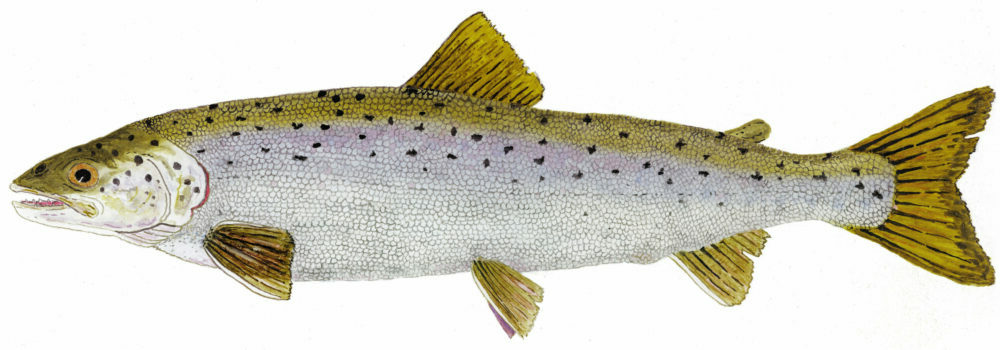
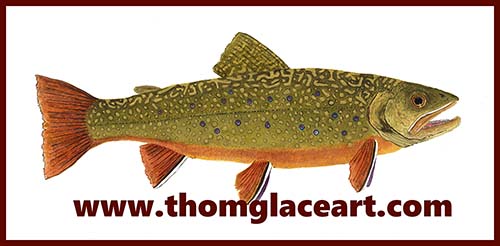
Adult Atlantic Salmon by Thom Glace, award-winning watercolorist, dedicated fly fisher, and conservationist.
What role does wildfire sediment play in fish eggs?
Wildfires can introduce substantial amounts of ash and sediment into streams, particularly after rainfall. This influx of sediment covers the gravel beds where trout and salmon lay their eggs (redds), smothering the eggs and reducing their survival rates. Fine sediment fills the spaces between gravel, cutting off oxygen and making it more difficult for eggs and juveniles to survive.
Which restoration methods help coldwater fish most?
The most effective restoration methods for coldwater fish like trout and salmon typically include:
- Replanting streamside forests to restore shade, reduce erosion, and stabilize banks. Riparian vegetation acts as a natural buffer, filtering pollutants, providing critical habitat, and keeping water temperatures cool—conditions vital for the survival of trout and salmon at every stage of their life cycle.
- Removing or modifying dams to reconnect migration routes and restore natural flow. Full dam removals allow salmon and trout to reach historical spawning grounds, improve genetic diversity, and restore the natural timing and volume of river flows, which are crucial for healthy aquatic ecosystems.
- Adding woody debris and gravel to streams to improve habitat complexity for spawning and shelter. Large wood pieces and gravel create pools, riffles, and hiding places, supporting more resilient fish populations and offering protection from predators and high flows. These additions also enhance conditions for aquatic insects, an important food source for young fish.
- Reducing runoff and sedimentation through better land-use practices. Managing agriculture, forestry, and urban development to minimize soil erosion and chemical runoff preserves water quality and prevents fine sediment from smothering fish eggs and habitats.
- Restoring natural flow patterns and water temperatures. Modifying water withdrawals, managing reservoir releases, and reconnecting floodplains help mimic the natural variability of river systems. Stable, cool flows support healthy spawning, egg incubation, and juvenile fish development while reducing the risk of lethal temperature spikes.
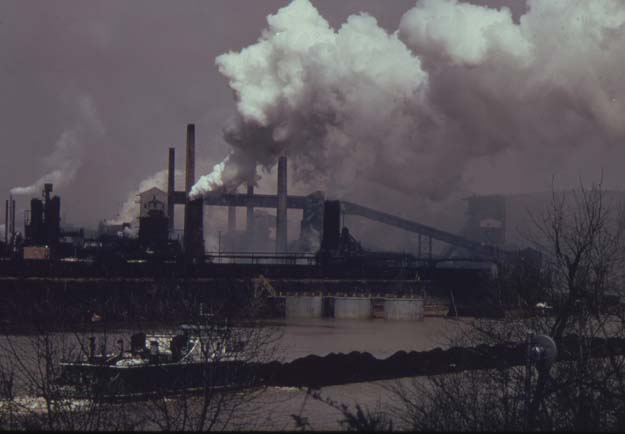
- Fasing out coal-burning power plants, embracing alternative energy sources, reviving electric vehicles, and voting out MAGA morons.
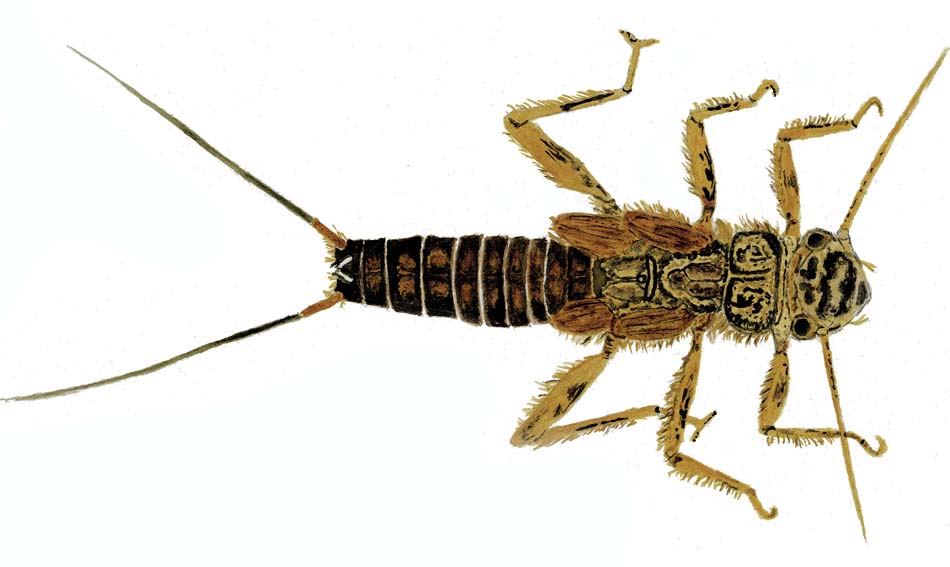
Montana Stonefly golden stone Nymph – Thom Glace. These aquatic creatures can make up as much as 90% of a trout’s diet. A clear-cut forest to the water’s edge shrieks with the flow, silting over the gravel and rock beds, eliminating aquatic life, and the redd possibilities for spawning trout and salmon that rely on them for propagation.
Sources: NOAA, Trout Unlimited, Gary Ferguson, Atlantic Salmon Federation, Guide Interviews, NYTimes, Pre-Trump EPA Reports, Pre-Trump US Fish and Wildlife Reports, Wild Salmon Center, Roadless Rule Article, Boundary Waters Mining Articles
Sponsored