

Estuaries provide a rich habitat for ocean and freshwater species to reproduce, feed, and grow. This is a NOAA image.
Estuaries provide rich habitats for both ocean and freshwater species to reproduce, feed, and grow. These bodies of water are located where rivers meet the sea or, in the case of freshwater estuaries, a large lake

Henry Clement, Rehoboth Beach, Delaware, August 2023.
By Henry Clement
When a river meets the sea, its flowing water spreads out and slows down, creating unique conditions that are not found elsewhere. This variety of environments offers homes for diverse wildlife, including many popular fish species.
Often referred to as the “nurseries of the sea,” estuaries play a crucial role in the life cycle of many marine animals. The changing water depth and chemistry, influenced by the ebb and flow of tides, create a range of habitats. The presence of plants such as marsh grasses and seagrasses helps filter the moving water, creating still conditions that allow mud and food particles to settle at the bottom. These variations in habitat make estuaries ideal homes for plants and animals that feed, grow, or reproduce there. Additionally, they serve as significant stopover points for migratory animals, including waterfowl and salmon.
Our coastal estuaries encompass a wide variety of environments, including brackish or freshwater marshes, mangroves, seagrass beds, and salt marshes. These are further enriched by oyster reefs, kelp forests, and rocky or soft shorelines—each supporting a unique array of creatures. This biodiversity contributes to the productivity of estuaries, making them some of the most productive ecosystems on Earth.
Beautiful and Bountiful
Most fish and shellfish consumed in the United States—including salmon, herring, crabs, and oysters—spend part or all of their lives in estuaries. Estuaries serve as ideal habitats for fish, wildlife, and humans alike. Twenty-two of the 32 largest cities in the world are located on estuaries. Notable U.S. estuaries include New York Harbor, San Francisco Bay, Boston Harbor, Tampa Bay, and Puget Sound.
Each estuary is a unique ecosystem, showcasing its own distinct beauty and attracting a diverse range of visitors. From hunters and fishermen to birdwatchers and photographers, estuaries offer a variety of activities for nature enthusiasts. Our coastal communities depend on these beautiful and bountiful estuaries for recreation, jobs, tourism, shipping, and fishing.

These spring chinook salmon, along with all anadromous and catadromous fish, pause at the mouths of riverine estuaries before their spawning runs, and their offspring use the same inlets as safe havens. Photo courtesy Michael Humling, US Fish & Wildlife Service.
Ecosystem Services
Estuaries filter out sediments and pollutants from rivers and streams before they flow into the ocean, providing cleaner waters for both humans and marine life. Their broad, shallow nature allows them to absorb sudden surges of water from storms, floods, and tides, protecting our homes and communities.
In Florida, sugarcane runoff pollutes the freshwater estuaries of Lake Okeechobee and saltwater estuaries, as the fertilizers used lead to the over-propagation of undesirable plant species like cattails. This can overwhelm a stable ecosystem, choking off water and nutrients necessary for the growth of healthy plants vital for maintaining stability. Estuaries provide a rich habitat for ocean and freshwater species for reproduction, feeding, and growth. A NOAA image.
Diversity
When a river flows into the sea, it spreads out and slows down, creating unique conditions that are not found elsewhere. This variety of environments provides habitats for a diverse array of wildlife, including popular fish species. Estuaries, often referred to as the “nurseries of the sea,” play a crucial role in the life cycles of many marine animals. The changing water depth and chemistry, influenced by tidal movements, create a range of habitats. Plants like marsh grasses and seagrasses filter the flowing water, creating still areas that allow mud and food particles to settle at the bottom. These variations in habitat make estuaries ideal environments for plants and animals that feed, grow, or reproduce there. They also serve as significant stopover points for migratory animals such as waterfowl and salmon.
Coastal estuaries
Our coastal estuaries include a wide variety of environments, such as brackish or freshwater marshes, mangroves, seagrass beds, and salt marshes. These areas are further enriched by oyster reefs, kelp forests, and various types of shorelines. Each supports a unique array of creatures. This diversity contributes to the productivity of estuaries, making them some of the most productive ecosystems on Earth.
Beautiful and Bountiful
Most fish and shellfish consumed in the United States—including salmon, herring, crabs, and oysters—spend some or all of their lives in estuaries. Estuaries are ideal habitats for fish, wildlife, and people. Twenty-two of the 32 largest cities in the world are located on estuaries. Notable U.S. estuaries include New York Harbor, San Francisco Bay, Boston Harbor, Tampa Bay, and Puget Sound.
Ecosystem Services
Each estuary is a unique ecosystem with its own distinct beauty, attracting a diverse range of visitors. From hunters and fishermen to birdwatchers and photographers, estuaries offer a variety of activities for nature enthusiasts. Coastal communities rely on these beautiful and abundant estuaries for recreation, jobs, tourism, shipping, and fishing.
Spring chinook salmon, along with other anadromous and catadromous fish, pause at the mouths of riverine estuaries before embarking on their spawning runs, and their offspring use these inlets as safe havens.

Sugar cane water runoff pollutes the freshwater estuaries of Lake Okeechobee and the saltwater estuaries in Florida because the fertilizer it uses causes the wrong species of plants, like the cat tail, to over-propagate, and thus overwhelm a stable ecosystem, choking off water and nutrients to sustain the growth of healthy plants necessary for a stable ecosystem. Florida Dig Big.org.
Estuaries filter out sediments and pollutants from rivers and streams before they flow into the ocean, providing cleaner waters for both humans and marine life. Their broad, shallow nature allows them to absorb sudden surges of water from storms, floods, and tides, offering protection to our homes and communities.
However, sugar cane runoff is known to pollute the freshwater estuaries of Lake Okeechobee and the saltwater estuaries in Florida. The fertilizer used in cultivating sugar cane can lead to the overgrowth of harmful plant species, such as cattails, which can overwhelm stable ecosystems and choke off resources necessary for healthy plant growth.
$ Economics of Estuaries $
Estuary regions comprise only 13 percent of the continental United States’s land area, yet they account for a disproportionate share of the national economy. These areas contain 43 percent of the population, 40 percent of employment, and 49 percent of economic output. In eight states, estuary regions comprise 80 percent or more of the state’s economy. Given their significant contribution to our economy, the health of our estuaries is a concern for everyone.
Did you know that:
– Estuaries provide habitat for about 68 percent of the U.S. commercial fish catch and 80 percent of the recreational catch.
– Forty-three percent of U.S. adults visit an estuary at least once a year, generating $12 billion in annual revenue.
– More than 180 million Americans visit estuaries and coastal waters each year for recreation and tourism.
– Coastal tourism jobs are growing faster than those in other economic sectors.
– Recreation provides up to 72 percent of the employment economy in coastal communities.
Estuaries provide clean water, abundant wildlife, natural beauty, and historical and cultural assets that enhance property values and attract tourism in local communities. For instance, a $3.5 million NOAA wetlands restoration project in California increased residential property values by $36.3 million.

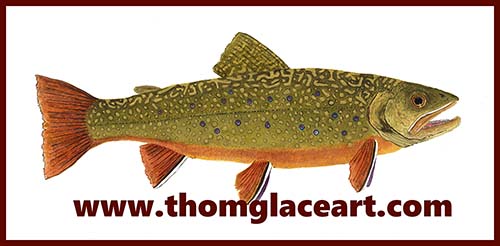
Adult steelhead are rainbow trout that, as a species, selectively head to lakes and prefer anadromous life. Illustration of steelhead by award-winning artist Thom Glace.
Sources:
U.S. Fish & Wildlife Service (FWS), National Oceanic and Atmospheric Administration (NOAA), and various departments of natural resources from New England and Mid-Atlantic states.
Sponsored