
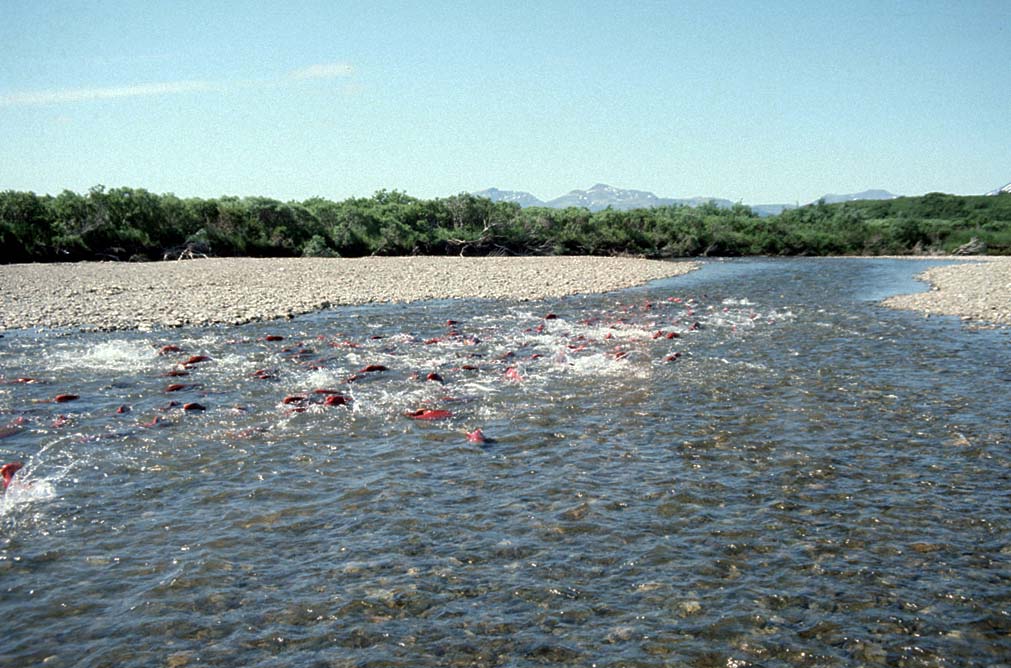
Spawning sockeye salmon in Becharof Creek, Becharof Wilderness, Alaska. Wikipedia Commons image.
I am among the millions of Americans deeply concerned and angered by your administration’s disregard for our environment, which threatens the well-being of our nation now and for generations to come.

Henry Clement, Rehoboth Beach, Delaware, August 2023.
By Henry Clement
The Roadless Rule is profoundly important for protecting vast, relatively undisturbed national forest landscapes. These areas deliver unparalleled ecological, economic, and social benefits that far outweigh any short-term gains from development or road building. These irreplaceable public resources must be preserved for current and future generations.
For Example, Consider the Roadless Rule:
Ecological and Climate Considerations You Ignore
Avoiding new roads keeps habitats connected, maintains high-elevation snowpack, and supports wildlife and fisheries—often on par with national parks and designated wilderness areas.
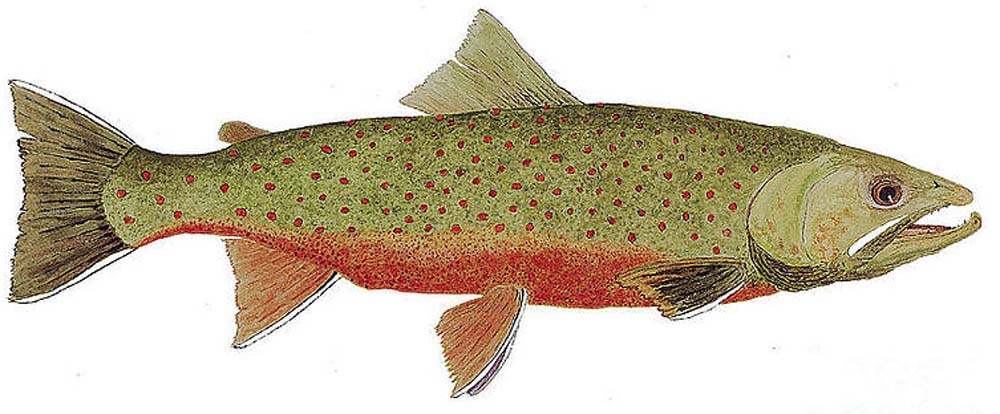
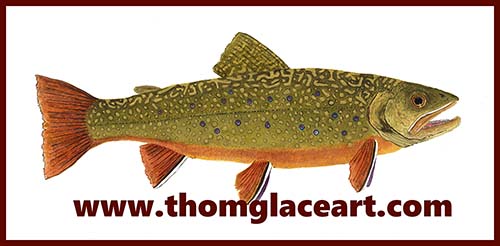
Study of a male Dolly Varden char by award-winning watercolorist Thom Glace.
Water and “Green Infrastructure” Benefits
Roadless headwaters filter pollutants and sediments, protecting downstream drinking water and fisheries, and reducing treatment costs.Intact watersheds and forest cover reduce flood risk. Stabilize slopes against erosion and landslides. It can moderate wildfire behavior when managed with light-touch restoration rather than destructive practices.

Trump promised to be a protector of public lands, but since his election, he has reversed course. His allies in the House of Representatives have embraced the radical idea of wresting national public lands from the American people, supporting proposals that encourage state seizures of public lands. Multinational logging, mining, and development companies have now found an ally in Washington. Image is of Alaska’s Tongass National Forest. Credit: Joseph, Flickr.
Economics
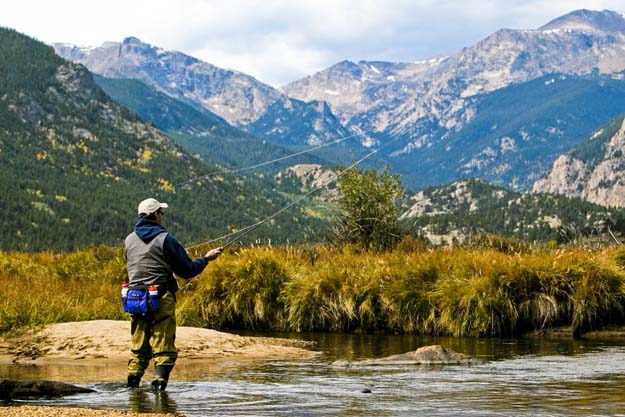
Recreation in national forest roadless areas—hiking, hunting, fishing, backpacking, wildlife viewing, and similar non-motorized uses—has been valued at roughly $600 million per year. In direct recreation benefits on about 42 million acres.Spending on these activities supports thousands of jobs nationally and generates income in nearby communities, despite limited extractive development in the roadless tracts. These are real families and livelihoods that deserve respect, not dismissal.Recent analyses frame roadless and similar protected areas as essential to a national outdoor recreation economy worth hundreds of billions, if not over a trillion, dollars annually. These activities include hunting, angling, biking, and climbing.
Administrative and Fiscal Value Ignored by Project 25
Limiting new roads in remote, low-profit timber areas avoids unprofitable development and reduces future storm damage. It also lowers the litigation risk associated with road-building and logging.
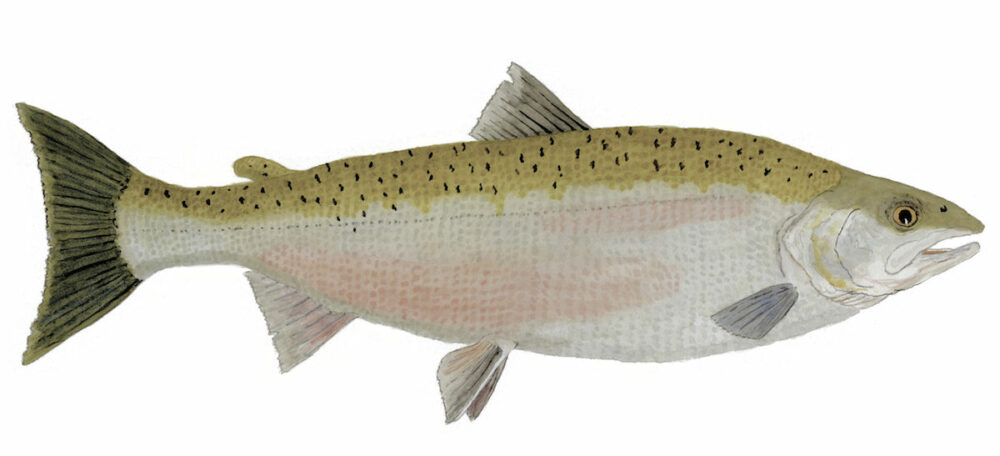
Coho [Silver] salmon fresh ocean run colors. Illustration by national award-winning watercolorist Thom Glace.
Sponsored