
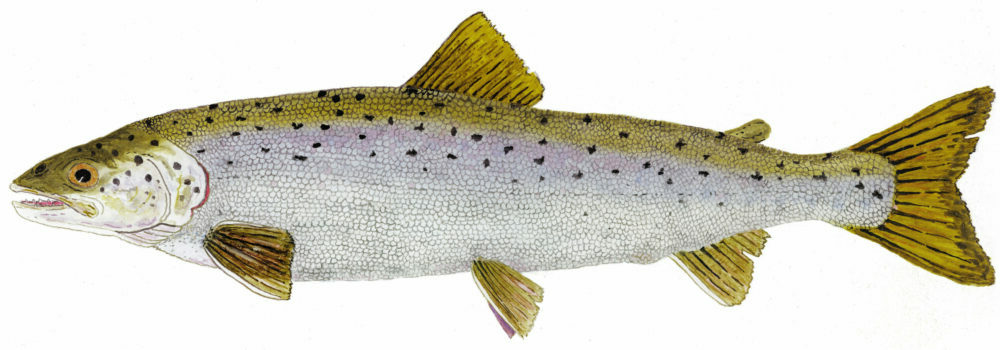
Adult Atlantic Salmon by Thom Glace, award-winning watercolorist, dedicated fly fisher, and conservationist. Visit his website here.
Tube Flies Core Platform
By Henry Clement. Based on videos, website, interviews, and personal experience.
Spey Brothers don’t have an official manifesto, but their content shows their stance: tube flies are their main choice for serious salmon and Spey-style fishing, not just a novelty. Their “Masterclass one” and “Masterclass two” videos start with the Strömsö Tube Fly, and the patterns they highlight—like the Strömsö, Flood Bum, and other collaborations—are all tube versions of trusted Atlantic salmon flies.
Advantages of Tube Flies
Spey Brothers focus on demonstrating rather than lecturing, but their videos and fly patterns clearly show the following advantages.
Better hooking:
With tube flies, the hook sits farther back, and the fly stays level, so trailing fish have a better chance of getting hooked.
Less leverage, fewer losses:
After a fish is hooked, the tube slides up the leader, and only a light-wire hook stays in the fish’s jaw. This means less leverage and fewer lost fish.
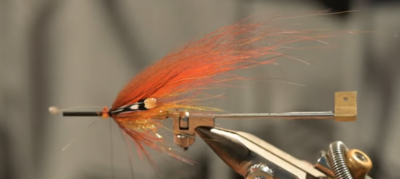 Durability:
The tube moves away from the fish’s teeth, and the fly rides up the leader, away from the fish, which protects the fly’s dressing, and it lasts longer. In some cases, a season, but usually several fish. Not one-and-done hook-tied flies.
Snag protection:
If you snag the bottom, the hook can bend out, and you only lose the hook. You can just replace it and keep fishing with the same tube.
Hook flexibility:
You can switch hooks to match different rules (like barbed or barbless, single, double, or treble) or fishing conditions without changing the fly itself.
Ride and weight control:
By picking tube materials like aluminum, brass, or copper and using a light hook at the back, you keep the weight forward. This helps the fly swim level rather than sag in slow water.
In their own words.
Proven big-fish capability:
In the Strömsö episode, Miki [see video] mentions that this pattern has caught many big salmon, including a 40-pounder. This is clear proof that tube flies work well for serious Atlantic salmon fishing.
Function over aesthetics:
A proponent in the video, Miki, says clearly they are “making a fishing fly, not a fly for showing.” Tube flies are made for use on the river, not just for display. They don’t stop to give a formal “why tubes” talk in the Masterclass, but you can see several tube-related advantages in how they tie and fish the patterns, and in the wider tube-fly approach they use.
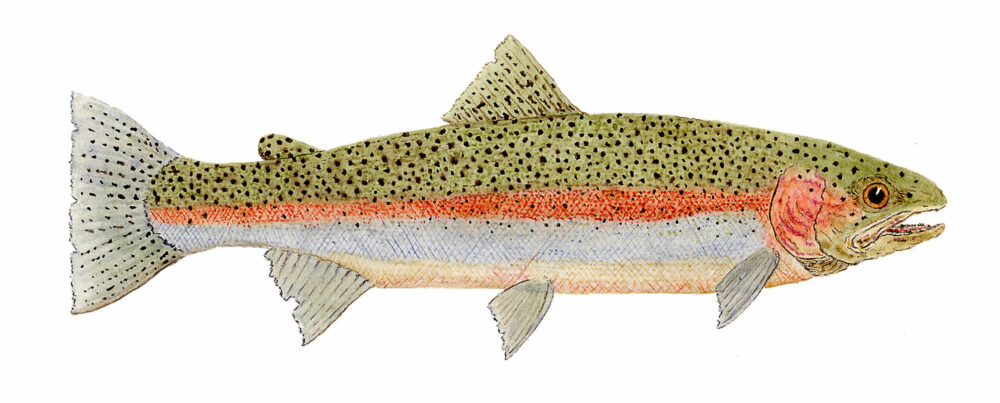
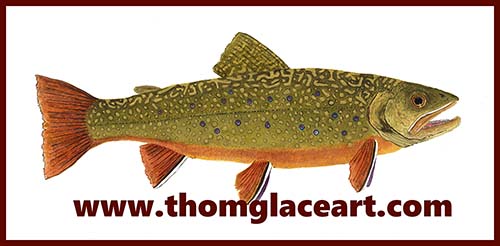
Spey Brothers members would love a play on this most iconic of US game fish species, [Oncorhynchus]. — Steelhead Trout by Thom Glace.
Hook positioning, contrary to popular belief
The way they finish the tube and arrange the rear tubing lets the hook sit right behind the fly, keeping it clear of long wings and monkey hair. This helps get better hookups and reduces fouled casts.
Tying and separation from the hook:
The underwings and tube structure “support our wings and also keep them out of the hook.” This is important when using long, layered Scandinavian or Spey-style wings.
Tying:
By stacking wings, hackles, and choosing different cones or liners, you can shape the fly’s look and how it sinks. You can adjust all of this without changing the hook, which is much harder to do with a regular fly.
What Hooks Work Best [Important]:
Spey Brothers prefer small, sharp, free-swinging hooks—singles, doubles (where legal), and trebles (where legal)—matched to the tube and the fish they’re after, instead of always using the same type.
Contrary to the commonly practiced use of junction tubing:
They design many of their tubes for use with free-swinging hooks, without fixed junction tubing. They add short pieces of soft tubing or liner to cover the knot and hold the hook eye, so the fly and hook can move separately.
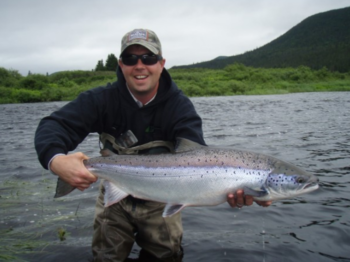
NOTE: Featured image: Contributor Brooks Paternotte with a St. Paul’s trophy Atlantic salmon. Paternote photo.
All three rigging systems, according to Spey Brothers’ work:
In their rigging tutorial, they use small trebles, salmon doubles, and short-shank singles. Any of these works, as long as the hook matches the fly size, like a small treble or a size 6–4 double on a 5–6 cm tube.They care more about the hook position than about the brand. Adjusting the junction tubing so the hook sits at or just behind the wing tip is more important than which brand you use.For most Spey Brothers patterns, use sharp salmon or steelhead trebles, doubles, or compact singles that match the fly’s length. Use small trebles or size 6–4 doubles for smaller tubes, and up to size 2–1 for large salmon tubes. Rig them as free-swingers so you can change hook style or size without retying the fly.
Sponsored