

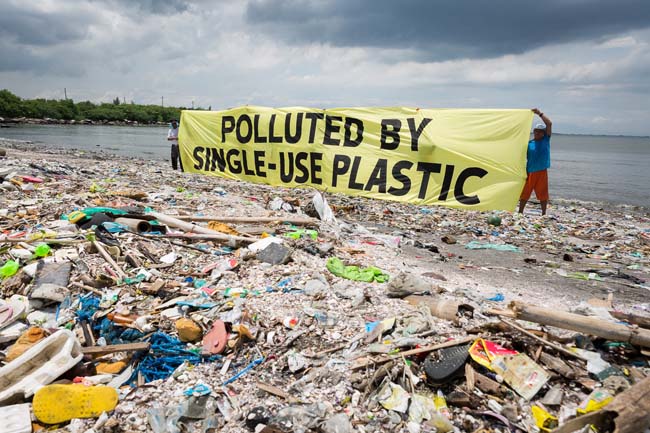
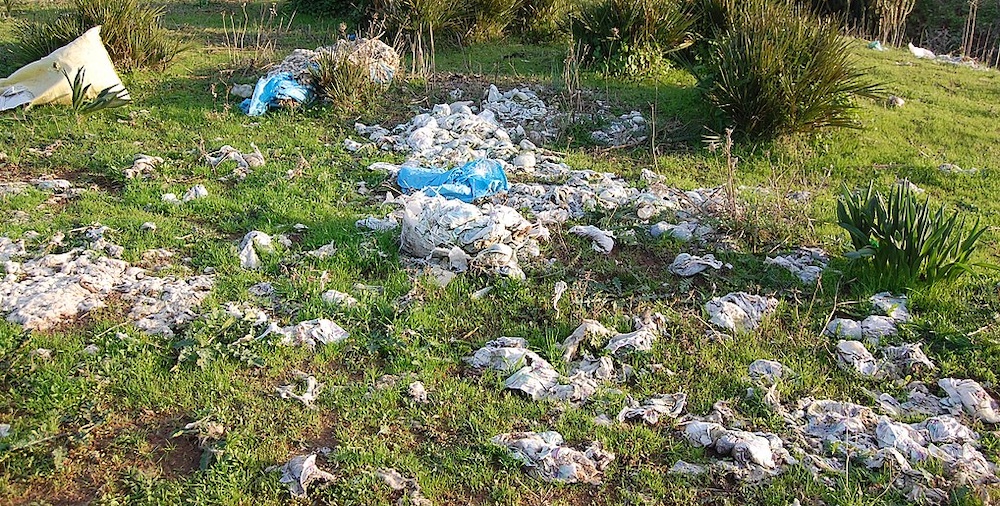
Let’s go camping here. Full diapers are so restful, and the beach is across the road. Photo credit commons image by Lucyin
Fully loaded diapers are now one of the leading offenders when it comes to plastic pollution on our ocean floors and land litter
By Henry Clement
In the past, children were typically potty-trained by 18 months. Waste was disposed of in the toilet, and cloth diapers were washed separately, dried in the sun, folded, and reused.
But today?
Thanks to Dupont’s miracle plastics and chemically treated cellulose, diapers are so leak-proof that some kids are not fully transitioned to the toilet until they are four years old. In fact, they could technically wear them into puberty if they managed to avoid gym class or social situations.
Selfish folks care little for others’ outdoor enjoyment
Who doesn’t appreciate the chance to see wildlife in the bushes while fly fishing for trout? It’s important to be empathetic; after all, no one wants to contend with dirty diapers in their vehicle. However, we must also consider the consequences of our actions. Ignoring environmental impacts and the well-being of others can turn our beautiful, pristine wild areas into havens for flies and rodents, ultimately diminishing our outdoor experience for everyone.
It’s almost become a trend to wear loaded diapers. Some supporters of making America great again (MAGA) are claiming, “Diapers can be both a fashion statement and a foreign policy strategy.”

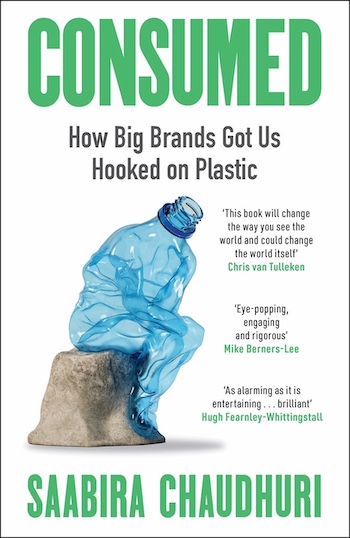
Consumed: How Big Brands Got Us Hooked on Plastic is a 2025 book by Wall Street Journal reporter Saabira Chaudhuri that details the history of how major corporations like Coca-Cola, Procter & Gamble, and Unilever strategically created and marketed single-use plastics, turning a profit while pushing a disposable culture and contributing to the global microplastics crisis. The book exposes corporate greenwashing, deceptive marketing, and the failure of recycling promises, arguing that consumers were convinced they needed products like plastic-packaged foods and shampoo sachets, which were not in demand before the corporate push.
“Throwaway Plastic Has Corrupted Us“ ~ New York Times, Sept. 6, 2025 /
The reality of plastic pollution is even worse for humanity than is currently reported
One study found that between 2011 and 2018, disposable diapers were among the top 25 most littered items on the seafloor and among the 40 most littered items on land. In the United States alone, more than 18 billion diapers are discarded every year, creating an enormous drain on natural resources.
Over the past century, disposable plastics have undeniably made our lives easier in many ways. They have also quietly and profoundly reshaped the ways we eat, shop, raise children, and understand hygiene and progress.
 One garbage truck of plastic waste ends up in the ocean every minute
Globally, the equivalent of more than one garbage truck of plastic waste ends up in the ocean every minute. Tiny plastic particles have been found in some of the most remote places on Earth, as well as in human brains, lungs, and placentas, and more recently have been linked to an increased risk of heart attack or stroke. Given that the vast majority of plastics are made from fossil fuels, the manufacturing of these products is also a major contributor to climate change.
Addiction
The social costs of our addiction to disposable plastics are more subtle but significant. Cooking skills have declined, and sit-down family meals are less common. Fast fashion, enabled by synthetic plastic fibers, is encouraging compulsive consumption and waste.
We could, however, take a different approach. Large French retailers have eliminated plastic for a wide range of fruit and vegetables without causing a discernible spike in food waste, and the country has forced chains like McDonald’s to switch to washable dishes and cups for people dining in. The Danish city of Aarhus has signed up dozens of cafes and other venues for a reusable cup system that’s prevented over a million cups from being thrown away since its inception early last year. Europe is embedding reuse and reduction into law and infrastructure.
Rewriting laws to reflect the full cost of our throwaway culture could incentivize companies that poured millions of dollars into single-use products to invest in building a less destructive system. Prices may rise at first, but well-designed laws that encourage companies to choose more environmentally friendly packaging should lower costs overall by helping them avoid fees for unsustainable practices.
Single-use plastic was never inevitable. It was a business decision
And we can choose differently if we confront how we’ve essentially been manipulated into arriving here, and muster the willpower to push for something better.
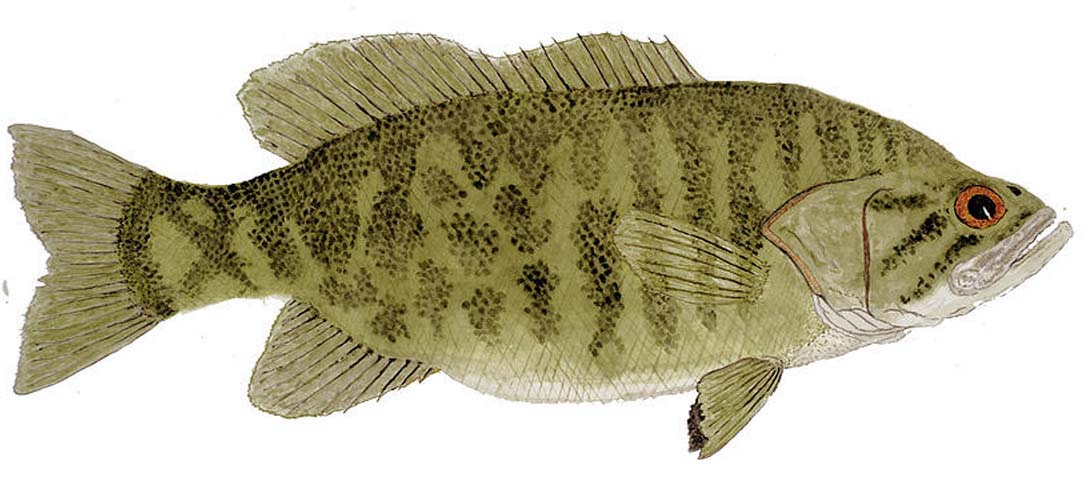
Smallmouth bass illustration provided by Thom Glace, award-winning Watercolorist, conservationist, and fly fisher. Visit his website here . . .
Sponsored