

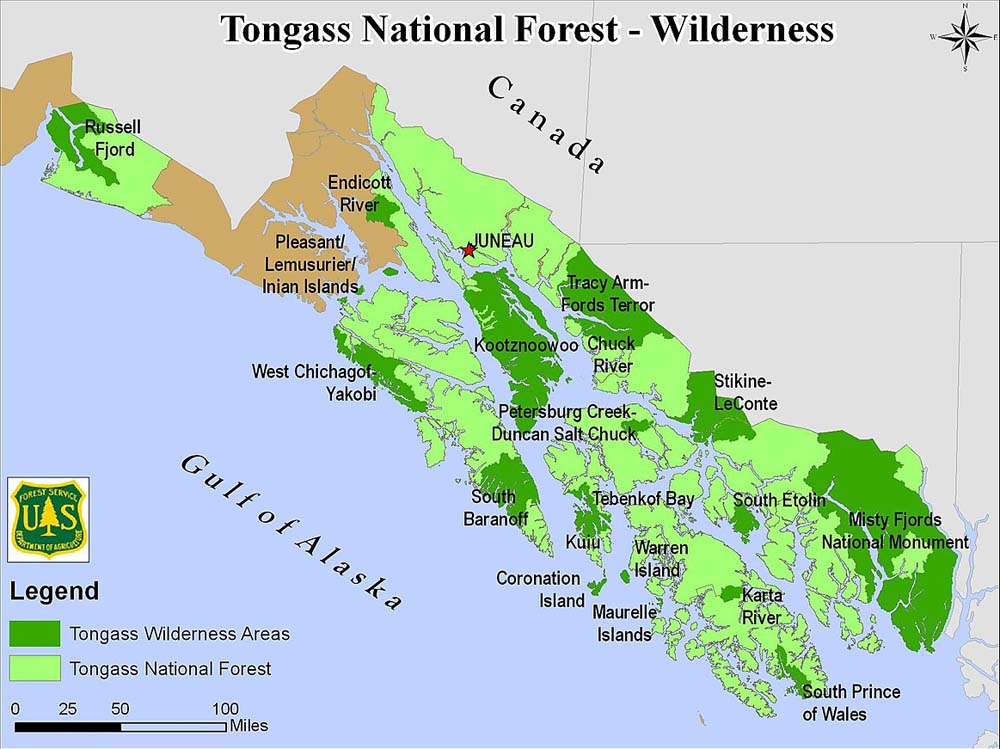
The Tongass, with National Monuments and Wilderness Areas. A commons image.
Protect the Roadles Rule
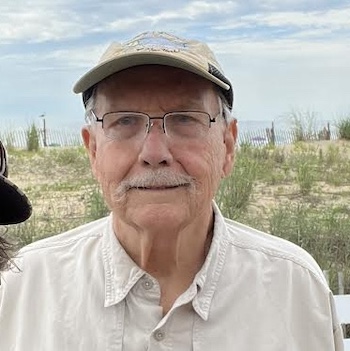
Henry Clement, Rehoboth Beach, Delaware, August 2023.
By Henry Clement, excerpted and edited version of Salwan Georges/The Washington Post article
Submit a Comment: If you strongly believe in preserving the roadless ruåçle, consider drafting and submitting a comment through the government’s notice portal. Templates from various organizations can help structure your thoughts.
Share Awareness:
Educate friends and family about the implications of the roadless rule rollback, highlighting its ecological benefits and the potential negative impacts of road construction in these areas.
Engage on Social Media:
Use social media platforms to raise awareness about the proposed rule change. Share articles, infographics, and personal opinions to inform your network.
Contact Local Representatives:
Contact your local government representatives to express your views on the importance of maintaining the roadless rule and advocate for policies that protect these areas.
Participate in Public Discussions:
Look for community forums or discussions regarding environmental issues and share your perspective on the roadless rule and its benefits to local ecosystems.
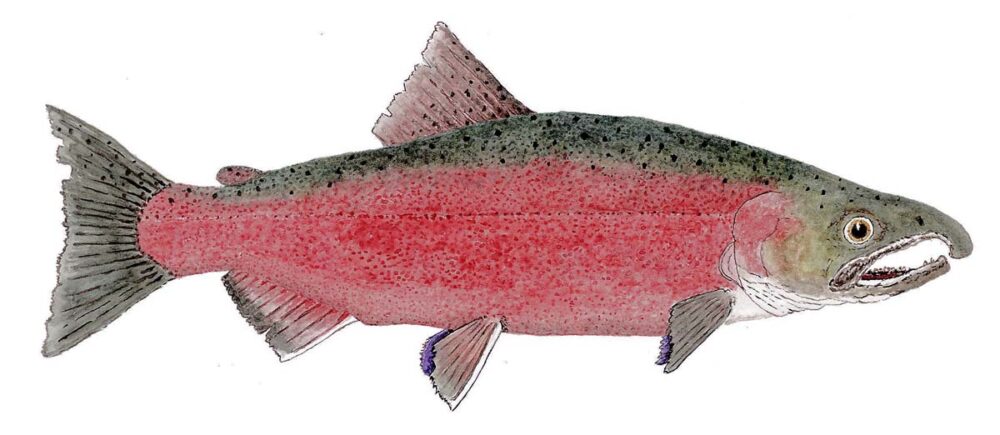
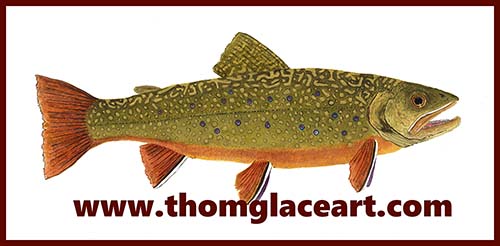
The illustration of male coho salmon in their spawning colors is created by the award-winning watercolorist, Thom Glace. The Tongass National Forest is home to all five species of Pacific salmon: King, Sockeye, Coho, Pink, and Chum salmon. This unique characteristic makes the Tongass the only place in the world that supports all five species, earning it the nickname “America’s Salmon Forest.” Trump will end this magnificent wilderness, and we will be much less. The illustration of male coho salmon in their spawning colors is created by the award-winning watercolor artist Thom Glace. The Tongass National Forest is home to all five species of Pacific salmon: King, Sockeye, Coho, Pink, and Chum. This unique characteristic makes the Tongass the only place in the world that supports all five species, earning it the nickname “America’s Salmon Forest.” Trump’s ending the protection of this magnificent wilderness diminishes our nation significantly.
Monitor Developments:
Keep an eye on updates from trusted news sources regarding the rule change and any potential impacts on local environments.
Each of these actions can contribute to broader advocacy efforts to protect roadless areas and maintain ecological integrity in these forests.
The comment period is currently open regarding the proposed rollback of the federal 2001 roadless rule, which protects 58.5 million acres of Forest Service land from road construction and logging. This rule plays a crucial role in safeguarding wildlife habitats, biodiversity, and natural resources, and many experts agree that it is essential for maintaining ecological integrity, especially in the Western U.S.

Tongass National Forest, in the Juneau area, Alaska. Photo by gillfoto taken on June 20, 2010
According to a 2019 Pew Charitable Trusts poll conducted during the Trump administration, a significant 75% of Americans from all political backgrounds opposed rolling back these protections. The Department of Agriculture has justified the proposal by citing a need for increased forest and wildfire management and resource extraction, but research contradicts these claims. A study from the Forest Service indicated that more roads do not contribute to improved forest health or wildfire management.
The deadline to submit comments on this proposed change is 11:59 p.m. Eastern Time on September 19, 2025. Engaging in this process is critical for those who value the ecological benefits provided by roadless areas, which help prevent pollution, control invasive species, and enhance climate resilience.
Anyone wishing to voice their opinion must submit feedback before the deadline. Further information can be found at the following link: https://www.hcn.org/articles/how-to-comment-on-the-planned-roadless-rule-rollback/.
Sponsored